Tell us about the job
Takes about a minute. No obligation.
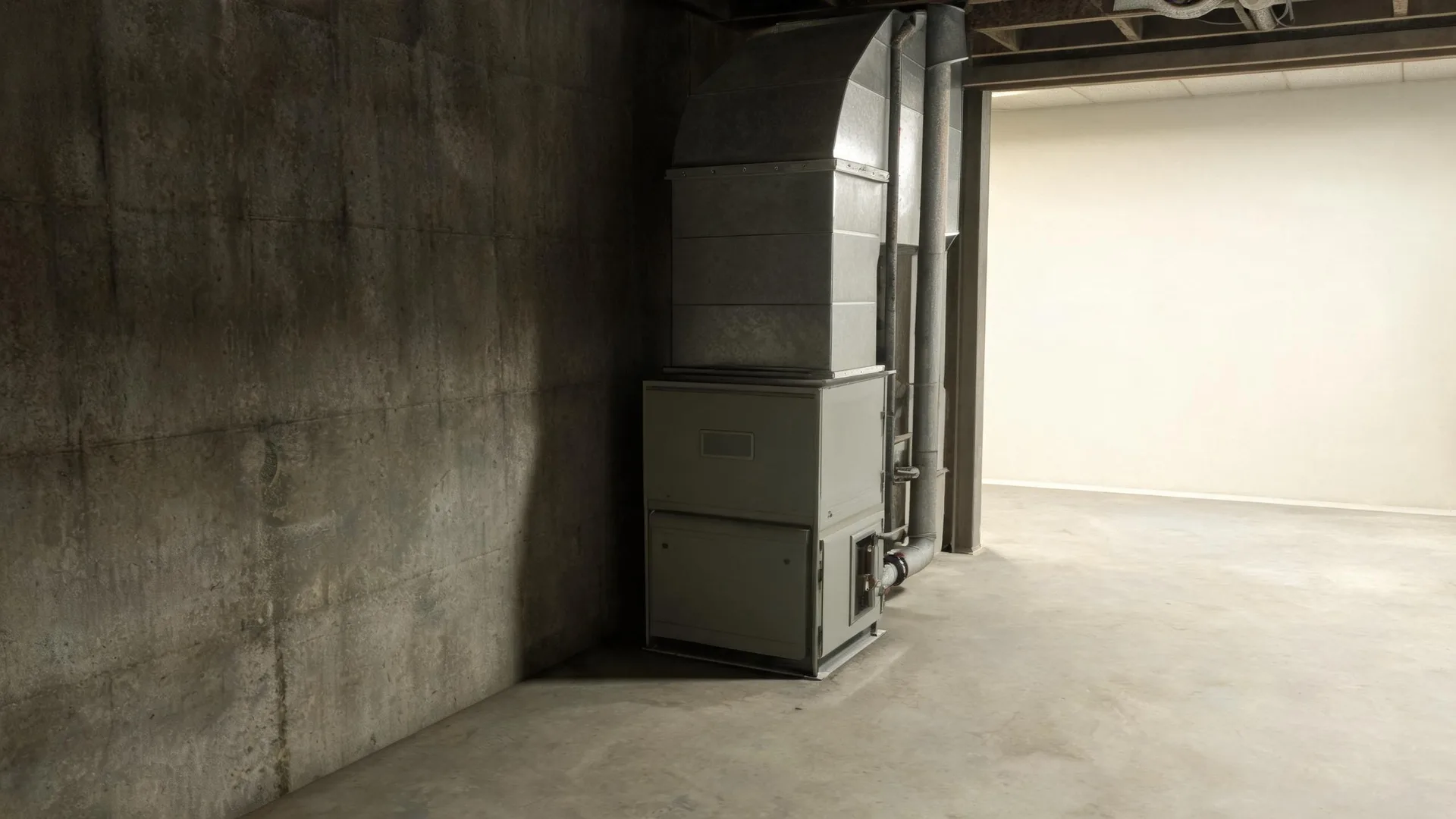
The burner, heat exchanger, and ignition system on a furnace in Anchorage Municipality cycle through every month on the calendar. Homes in Anchorage Municipality, AK run heat in every month of the year. That continuous demand means a contractor diagnosing a repair is not asking whether the furnace has been worked hard. It has. The question is which part absorbed the most cycling. Heat exchangers crack under repeated thermal expansion, ignitors degrade from constant firing, and a contractor checking either one first is working from what this runtime physically produces in those components.
Furnace repairs in older housing stock carry a specific problem: parts. Half the homes in Anchorage Municipality, Alaska were built in 1982 or earlier (2020-2024 ACS 5-year). A contractor who opens a furnace in a house from that era may find a heat exchanger, control board, or igniter that the original manufacturer no longer produces, or that only a handful of suppliers still stock. That gap between what the furnace takes and what the supply chain carries is where a repair can change scope. The contractor's first job, once the unit is open, is to identify the failed component and confirm whether a direct replacement exists before any other decision gets made.
The Parts of a Furnace a Contractor Checks First
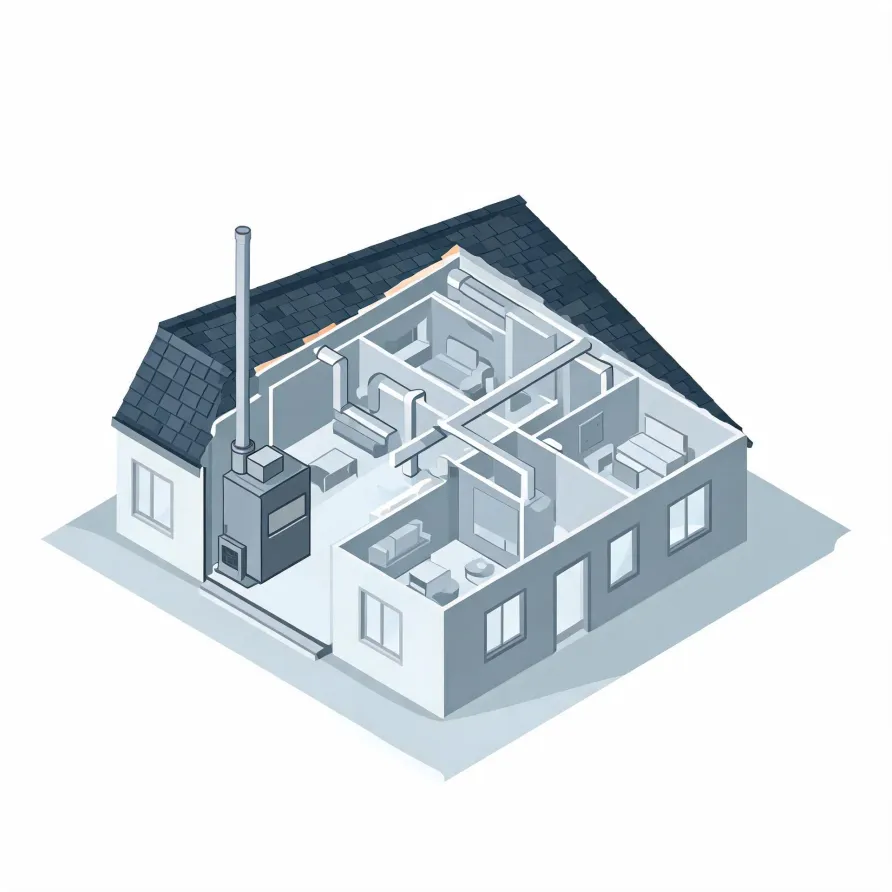
The furnace cabinet itself sits in a utility space, basement, or closet and holds the components a contractor reaches for when something stops working. Inside it, the heat exchanger is the first suspect when a furnace runs but fails to warm the house, and the burner assembly is the first suspect when it fails to fire at all.
The blower motor sits at the base of the cabinet and pushes conditioned air into the supply side of the duct system. Alongside it, the inducer motor, the igniter, the flame sensor, and the control board each have a specific job in the startup sequence, and a fault in any one of them can stop the whole cycle.
The drawing shows a representative layout, and a licensed contractor determines which components apply and need attention in your specific system.
Find a contractor in Anchorage MunicipalityAnchorage Municipality, by the numbers
Half the homes in Anchorage Municipality, Alaska were built in 1982 or earlier (2020-2024 ACS 5-year).
U.S. Census Bureau, 2020-2024 American Community Survey 5-Year EstimatesAnchorage Municipality, Alaska holds 120,348 housing units (2020-2024 ACS 5-year).
U.S. Census Bureau, 2020-2024 American Community Survey 5-Year EstimatesOwners occupy 63.9% of the occupied homes in Anchorage Municipality, Alaska (2020-2024 ACS 5-year).
U.S. Census Bureau, 2020-2024 American Community Survey 5-Year EstimatesFurnace Repair Rules & Standards for Anchorage Municipality, Alaska5 sourced codes and standards
What HVAC Repair Looks Like in Anchorage
Non-weatherized gas furnaces manufactured on or after November 19, 2015 must reach 80.0 percent AFUE.
Non-weatherized oil-fired furnaces manufactured on or after November 19, 2015 must reach 83.0 percent AFUE.
Mobile home gas furnaces manufactured on or after November 19, 2015 must reach 80.0 percent AFUE.
Non-weatherized gas furnaces manufactured on or after December 18, 2028 must reach 95.0 percent AFUE, up from the 80.0 percent minimum that applies to units manufactured before that date.
Licensing Rules for HVAC Repair in Anchorage Municipality, Alaska
Alaska requires a certificate of registration as a contractor: a person may not submit a bid or work as a contractor until the department has issued one.