Is a high-efficiency gas furnace worth it in Alaska
Describe the project once instead of to every installer.
A high-efficiency gas furnace runs a second heat exchanger and vents through PVC pipe instead of a metal flue. That difference is what pulls more heat out of the gas before it leaves the house, and in a place where that furnace runs hard from fall through spring, the gas saved shows up on the bill every month, not just once.
Electricity in Alaska costs more than in most of the country, so a furnace that leans less on its electric blower and ignition components, and more on burning gas well, works in your favor twice. A standard furnace sends a lot of that heat straight out the flue. A high-efficiency unit captures more of it before it goes.
Alaska summers run hot and dry, which means the furnace sits unused for months before it has to carry the house again. A unit that was installed right the first time, matched to your ductwork and your house, starts the season without surprises. One that wasn't tends to show its problems the first cold week, which is the worst time to find a contractor.
That's the part worth thinking about now. Finding someone to install a furnace usually means calling around, explaining your house and your gas setup to three or four different companies, then sitting with quotes that don't line up because nobody looked at the same thing. Asking here skips that. It goes to one licensed contractor working near you, someone who installs and services these furnaces in Alaska winters every year and knows how they hold up here, not a batch of companies competing for the same call.
The rest of this page walks through what a high-efficiency furnace actually does differently and whether it makes sense for your house. What happens next, if you want it to, is simpler than the usual search for someone to do the work.
Yes, and in most of Alaska it pays back faster than almost anywhere else, because the furnace runs so many months of the year. A standard furnace sends a lot of heat straight out the flue. A high-efficiency furnace pulls the heat out of that exhaust before it leaves, which matters most where gas is burning for heat for most of the year, not just a few cold weeks. Power here is expensive, and gas is how most homes heat, so the furnace carries more of the load than it would somewhere milder. That makes the efficiency difference show up on the gas bill every month, not just on the coldest ones. The one thing that determines whether it's worth it in your house is whether it gets installed right. The second heat exchanger drains condensate, and the PVC venting has to run and terminate the way that furnace needs it to. Done wrong, you lose the efficiency gain and gain a furnace that doesn't last.
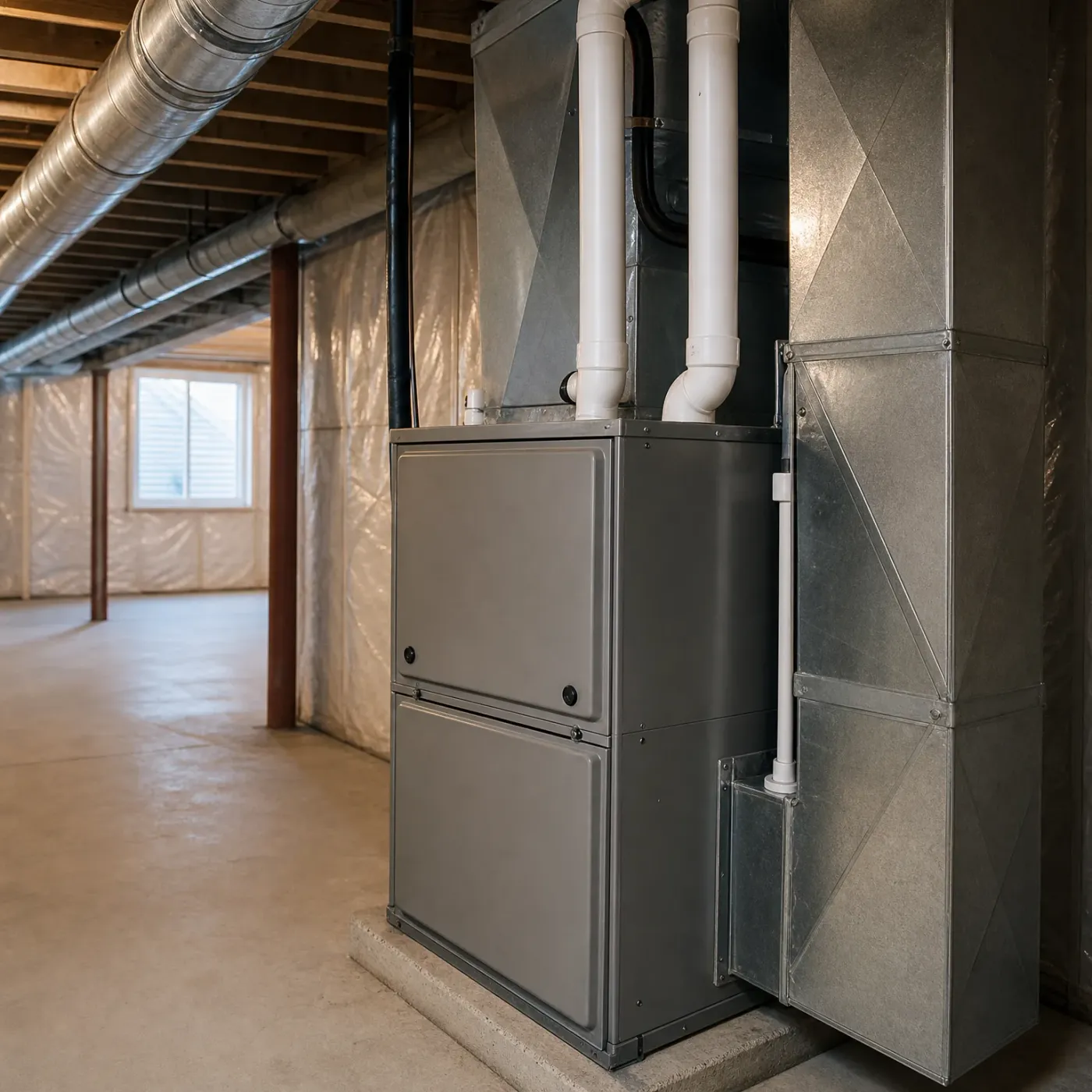
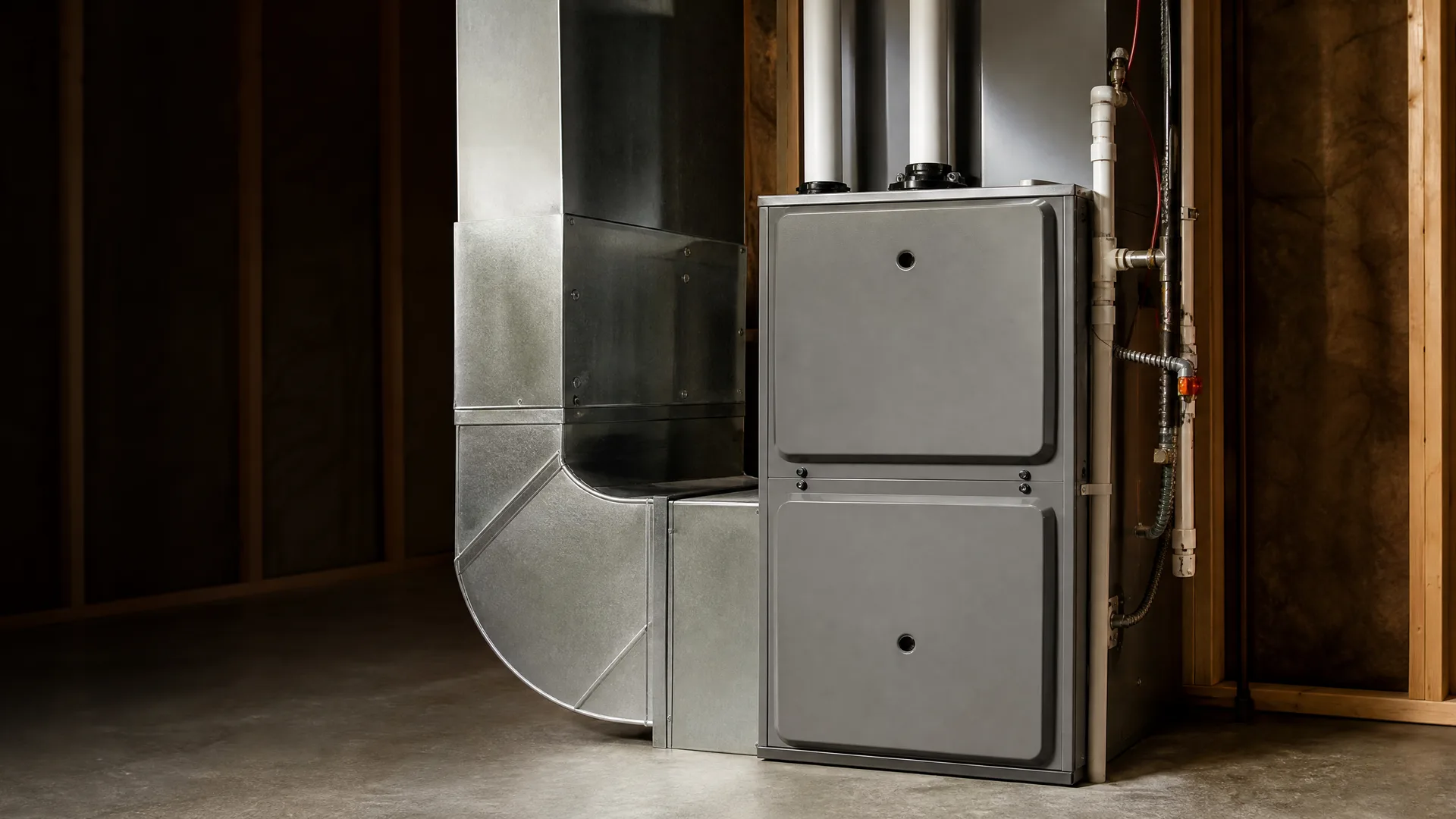
A high-efficiency furnace vents through PVC because the exhaust is cool enough for plastic pipe, not metal.
Installed right, with the condensate line sloped and draining clear, this is what years of steady winter heat looks like.
How the Second Exchanger Works
The second heat exchanger cools the exhaust gas down to around 100 to 120 degrees before it leaves the house.
That exhaust is cool enough to condense, which is why the vent pipe is PVC and not metal.
The condensate, a mildly acidic water, has to drain out through a dedicated line with a slope the installer sets.
An inducer motor pulls combustion air through the system before the burners light, which is why the furnace clicks and pauses before it fires.
A pressure switch checks for that draw before ignition, so a blocked vent pipe or a frozen condensate line stops the furnace from starting at all.
The second exchanger is usually aluminum or stainless steel, since the condensate would corrode plain steel over a winter.
A standard furnace burns gas, pulls heat off the exhaust once, and sends what's left up a metal flue, still hot enough to need metal pipe. A high-efficiency furnace does it twice. After the first pass, the exhaust runs through a second heat exchanger, usually aluminum or stainless steel, that pulls the temperature down to around 100 to 120 degrees. At that temperature the exhaust starts to condense, the same way a cold glass sweats in a warm room. That condensate is mildly acidic, so it can't just sit in the exchanger or the pipe. It drains out through a dedicated line, and the slope on that line is something the installer sets by hand, not something the furnace does on its own. The vent pipe itself is PVC, not metal, because the exhaust leaving the house is cool enough for plastic to handle. Before any of that starts, an inducer motor pulls air through the system to clear it, which is why the furnace clicks and sits for a second before the burners light. A pressure switch is checking that draw the whole time. If the vent pipe is blocked or the condensate line has frozen, the switch won't see the pressure it needs, and the furnace won't fire at all. That's not a flaw. It's the furnace refusing to run with somewhere for the exhaust to go.
Skip the search
One installer gets your project, so there's no bidding war over it.
Skip collecting and comparing quotes for the new furnace.
You already know the furnace runs from fall through spring and doesn't really stop. If it's an older standard furnace, you'll notice the burner cycling on and off a lot, short runs that don't seem to hold the house warm, and a gas bill that's one of the biggest checks you write all winter. Some rooms stay colder than others no matter how long it runs. If the furnace is old enough, you might also notice rust or staining near the flue pipe, or a metallic smell when it fires. None of that is dangerous on its own, but it's gas you're paying for and getting less heat back for, month after month, for as long as that furnace is in the house.
The pilot light problem in reverse
An old standard furnace holds a steady flame burning even when the house doesn't need heat, which wastes gas sitting idle. A high-efficiency furnace uses electronic ignition instead, so there's no standing pilot to feed all day. It lights only when the thermostat calls for heat, burns, then shuts off completely. Over a winter that runs from fall through spring, that difference in how the burner behaves adds up on its own, apart from what the second heat exchanger recovers.
Why the vent pipe tells you something
Walk around the outside of a house and look at the furnace vent. Metal flue pipe going up through the roof means a standard furnace, one that's still sending a lot of usable heat outside with the exhaust. PVC pipe running out a side wall near the ground means a high-efficiency furnace, one pulling that heat back out before it leaves. You can check this on your own house in a minute without opening a panel or calling anyone, and it tells you plainly which furnace you're running.
Winter nights average 9°F statewide
At 9°F, your furnace isn't cycling, it's running close to flat out most of the night. That's hours of gas burned at a stretch, every night, for months. A furnace that pulls more heat out of each therm earns that difference back faster the colder your nights run.
NOAA nClimDiv 1991-2020 county normals weighted by homes
Running the numbers before you decide
If your current furnace is a standard model, nothing about replacing it is urgent in the way a cracked heat exchanger is urgent. A standard furnace keeps making heat, just with more of the gas going out the flue instead of into the house. That makes this a timing decision more than an emergency one. A furnace that's twenty years old and still running is a different case than one that's eight years old and still under warranty. If yours is old enough that parts are getting hard to find, or a repair bill is already on the table, that's when the comparison is worth doing properly rather than something to put off.
What changes once it's installed
Once a high-efficiency furnace is in and running, the difference shows up in how the house feels as much as in the gas bill. Shorter cycles are gone, replaced by longer, steadier runs that hold a room temperature instead of letting it drift down and catching up again. The burner isn't fighting as hard to keep the house warm at 9 degrees because it isn't losing as much of what it burns. None of that depends on what you do day to day. It depends on the install being right: the PVC vent pitched correctly, the condensate line draining clear, the unit sized to the house rather than just swapped in for whatever was there before.
A standard furnace doing its job
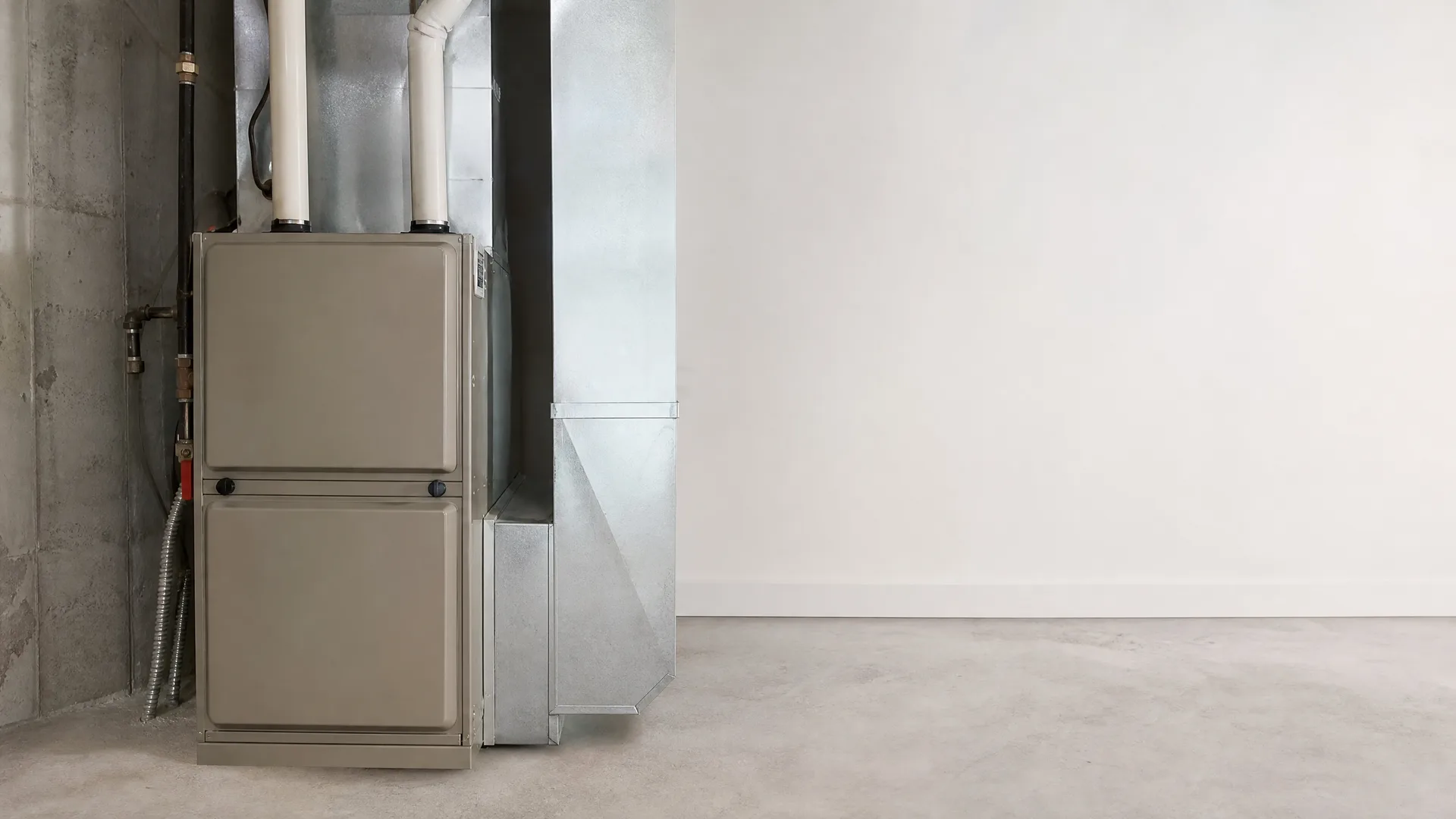
This is a standard furnace, metal flue and all, venting straight out through sheet metal pipe. It heats the house fine. It just sends more of the gas you paid for out that pipe than a high-efficiency unit would, every night it runs.
A furnace near the end of its run
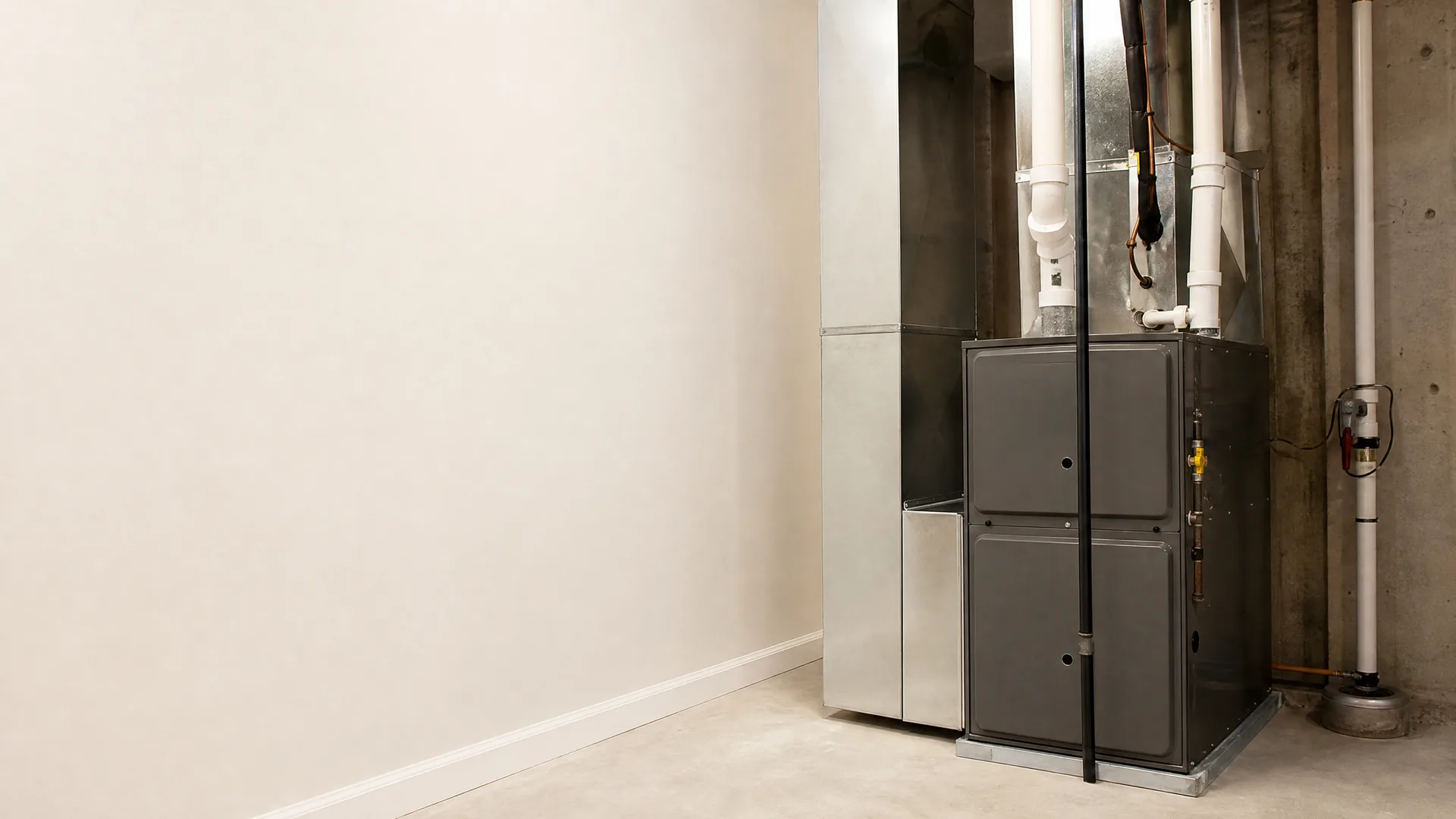
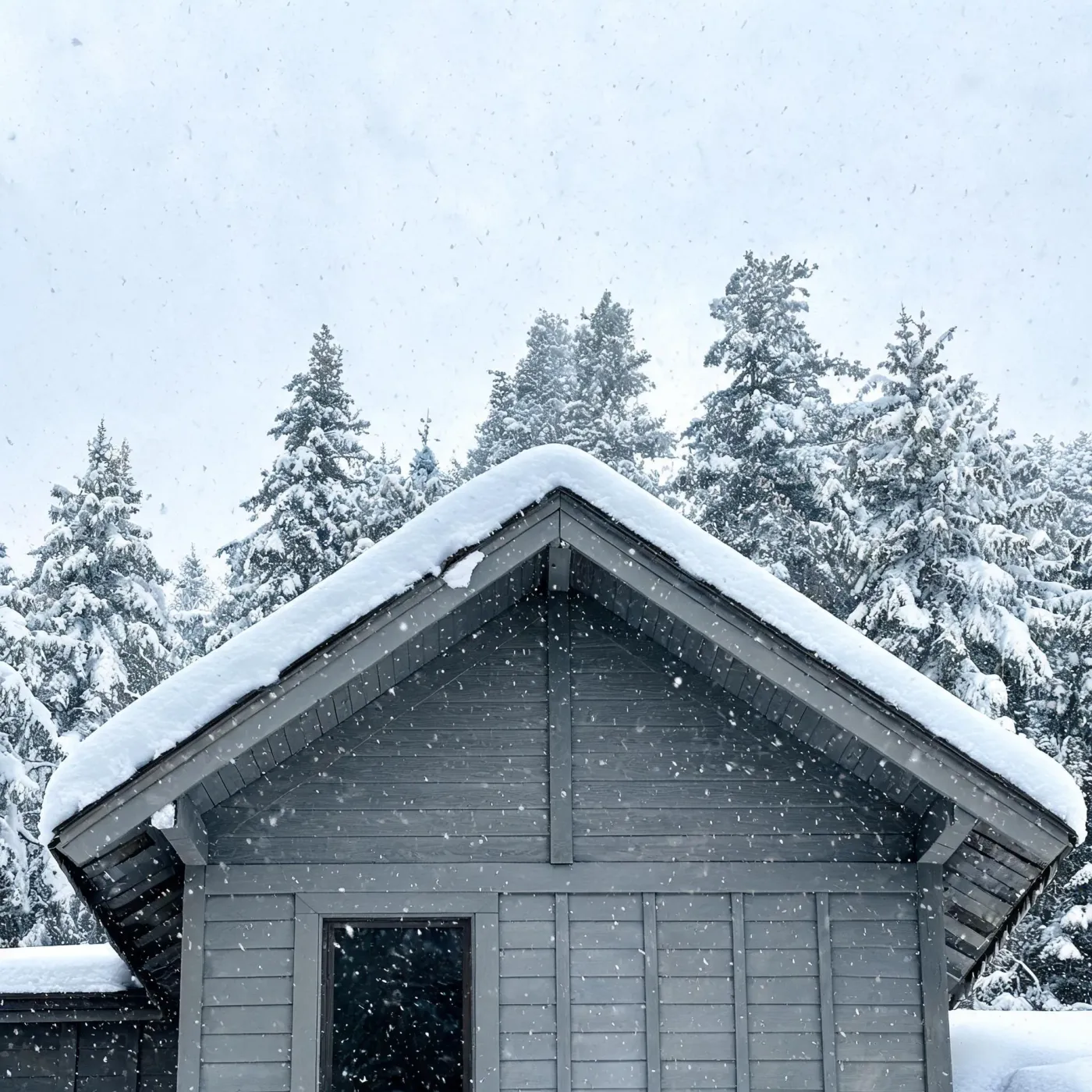
Surface rust on the cabinet, an aging plenum, and the unit is still working through Alaska winters on borrowed time. When a furnace like this needs replacing anyway, that's the point to ask whether the PVC-vented kind makes sense here.
Before you get your furnace installationAfter you get your furnace installation
Statewide, winter nights average 9°F, per the National Weather Service. At that temperature your furnace isn't shutting off much. It's holding a long burn for hours, then starting it again a little later, all night, night after night, from fall into spring. Every one of those hours runs through whatever heat exchanger your furnace has. A standard one lets more of that heat go out the flue unused. A high-efficiency one pulls more of it into the house before the exhaust leaves. You won't see any of this happen. What you'll see is the gas bill those long burns add up to, month after month, for as long as the cold holds.
NOAA nClimDiv 1991-2020 county normals weighted by homes
A furnace that works this hard is worth doing right
A high-efficiency furnace earns back the difference faster in Alaska than almost anywhere else, because it runs so many months burning so much gas. That's the answer. The second heat exchanger, the PVC venting, the condensate line sloped and draining clear: none of it matters if the install is wrong, and a furnace that runs this many hours a year doesn't give you much room for a bad one.
Finding someone who installs these correctly usually means calling around, asking each one the same questions about venting and condensate drainage, and weighing quotes that may not even be pricing the same job. This page connects you with one licensed contractor local to Alaska, someone who installs and services these furnaces every winter and knows what a proper venting and condensate setup looks like here. No flood of calls to sort through, no repeating yourself to five different companies. Just the one call, to someone who already knows what your nights at 9 degrees are asking of this equipment.