
Signs of a cracked heat exchanger in Alaska

Step 1 of 3: Equipment

What are the signs of a cracked heat exchanger in my furnace?

If your furnace runs from September through May like most in Alaska, you want to know it's burning gas safely. A cracked heat exchanger can let exhaust mix into the air moving through your ducts, and that's not something you want to guess about. You're looking for the signs so you know whether to shut the furnace off and get someone qualified to look at it.

A furnace with a cracked heat exchanger usually shows up as a carbon monoxide alarm, a smell like formaldehyde, soot around the unit, or a flame that flickers or changes color when the blower kicks on

The heat exchanger is the metal chamber that separates the burning gas from the air that gets pushed into your rooms. When it cracks, exhaust gas can leak into that air stream instead of going out the vent. A flame that waves or shifts color when the blower starts is one sign, because air is reaching the burner through the crack. Soot stains near the burner compartment, a persistent odor, or a working carbon monoxide detector going off are others. With power rates what they are in Alaska, it's tempting to keep running an older furnace rather than replace it, but a cracked heat exchanger isn't something to wait out. If you see any of these signs, shut the furnace off and have it checked before running it again.

A beige high-efficiency furnace stands on a concrete basement floor beside sheet-metal ductwork, with white PVC vent pipes, flexible conduit and copper and steel piping running up a concrete wall to an electrical box.

Furnace running clean

No soot near the burner, no odd smell when the blower kicks on. The flame stays steady and blue, not yellow or flickering. Your carbon monoxide detector hasn't sounded, and nobody in the house has had the headaches or nausea that come with exposure. The furnace cycles on and off the way it always has.


An older gas furnace with a louvered front panel stands on a concrete basement floor beside large sheet-metal ductwork, a metal flue pipe, copper piping and wood framing.

Signs of a crack

A flame that flickers or turns yellow instead of blue. Soot building up around the burner compartment. A smell like formaldehyde when the blower runs. Headaches, nausea, or a carbon monoxide alarm going off while the furnace is on. Any of these means the exchanger needs a licensed contractor to inspect it before you run the furnace again.

A man with grey hair and stubble in a dark sweater sits on a grey sofa indoors, looking off to the side, with a potted plant and a sunlit window behind him.
A man with gray hair, a beard and glasses, wearing a dark green sweater, sits on a gray sofa in a sunlit living room with a potted plant, table lamp and wooden sideboard behind him.
A middle-aged man with graying hair and a short beard sits on a blue sofa in a living room, looking toward a window, with a bookshelf, lamp and framed picture in the background.
A man with graying curly hair and a dark green sweater sits on a gray sofa in a sunlit living room, looking off to the side, with a framed picture, shelving, an armchair and a window with sheer curtains behind him.

Why a crack lets exhaust through

A heat exchanger is the metal wall between the flame and the air that moves through your ducts. The blower pushes house air across one side while combustion gases vent out the other. When metal fatigues from repeated heating and cooling, a crack opens that seam. Air pressure from the blower can then pull exhaust through the crack and into the air headed for your rooms. This is why a furnace can look fine, run quietly, and still pose a risk. The crack doesn't change how the furnace sounds or how warm your house feels. It changes what's riding along in the air coming out of your vents.

Why a visual check alone isn't enough

Some cracks sit on the inside curve of the exchanger, hidden from a flashlight and mirror. Others only open once the metal heats up and expands, so a cold furnace can look sound and still leak once it's running. A qualified technician checks for this with combustion analysis and sometimes a camera built for the job, measuring carbon monoxide at the furnace and tracking flue readings while it runs through a full cycle. That's the kind of check worth having done by someone who works on furnaces like yours all winter here and knows where Alaska's cold starts and stops exchangers early.

Winter nights average 9°F statewide

At 9°F, a typical overnight low here, your furnace is cycling on over and over to hold the house. That's more heat exchanger expansion and contraction each night, and more chances for a weak spot in the metal to open into a crack.

NOAA nClimDiv 1991-2020 county normals weighted by homes

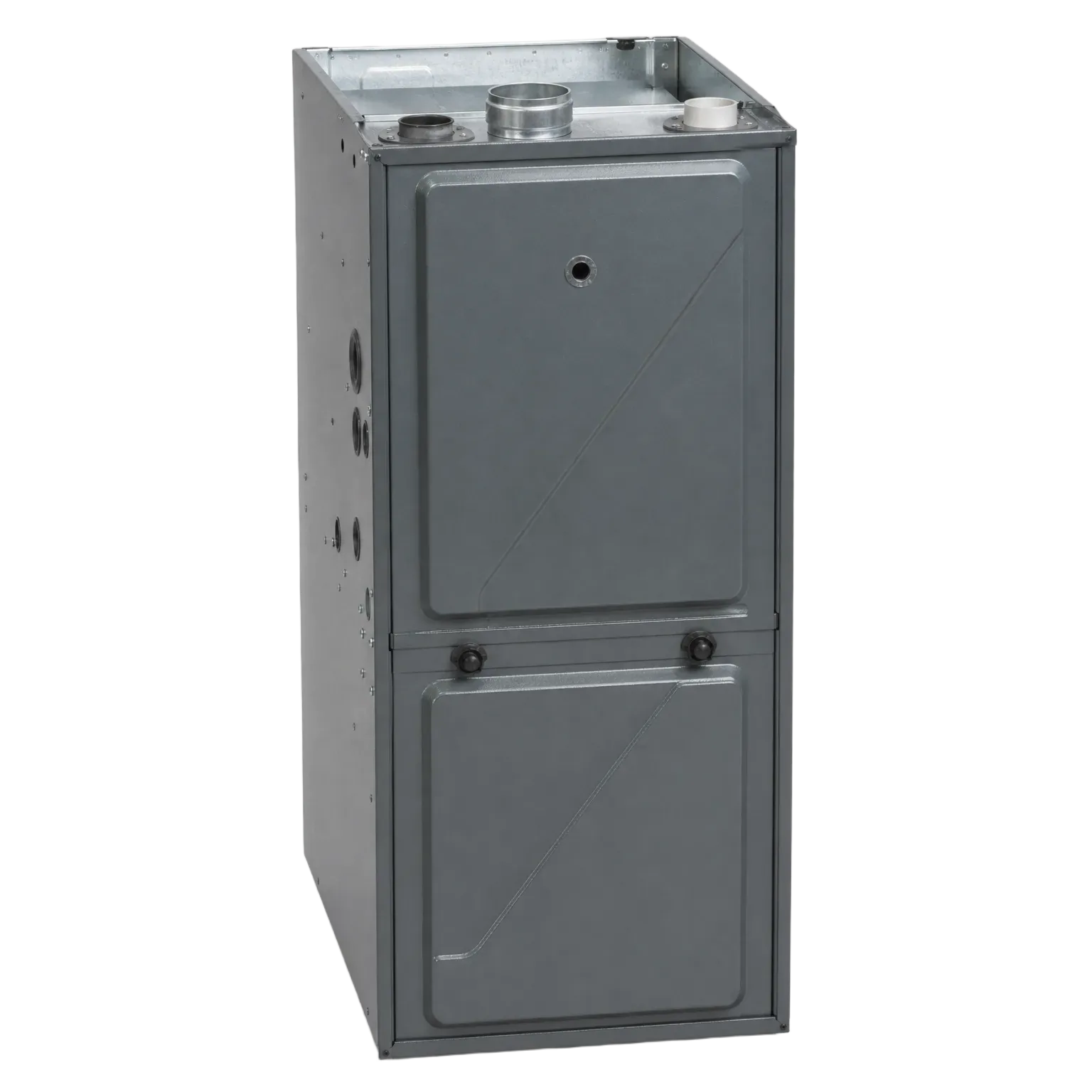
A gray high-efficiency furnace with two access panels stands in a bare basement corner, connected to sheet-metal ductwork, white PVC vent pipes, and flexible gas and electrical lines.

What it does to your gas bill

A cracked heat exchanger sometimes trips the furnace's own safety switch, shutting the burner down mid-cycle. The furnace fires, kicks off, fires again, trying to satisfy the thermostat without finishing a full heating cycle. At 9°F outside, that means more gas burned for less heat delivered to the rooms. With power and gas costs what they are here, that waste shows up on the next bill before anyone sets foot near the furnace room.

A gas furnace with metal ductwork, copper and yellow gas piping stands against a wall in an empty room with a bare concrete floor.

What it risks in a closed-up house

Alaska homes stay sealed tight for most of the year to hold heat in, which also holds in whatever the furnace puts out. If exhaust is leaking into the air your blower pushes through the ducts, it has nowhere to go but the rooms you sleep in. A carbon monoxide detector near the bedrooms catches this before anyone in the house does. Don't wait on a smell or a headache to find out.

A closed silver laptop and a ceramic mug of dark coffee sit on a wooden table in front of two chair backs, with a kitchen counter, tiled backsplash, wooden cutting boards, a vase of greenery and a potted plant by a window behind.

How a tech checks for the crack

A tech doesn't just look at the heat exchanger with a flashlight and call it done. Most cracks sit on the back side of the chamber, out of view, so the check usually means pulling the burner assembly and using a borescope or a mirror to see around the bends in the metal. Some techs run the furnace and watch the flame through the sight glass while a shop vac pulls air near the exchanger. If the flame flickers or leans toward the vacuum, that's air moving through a crack that shouldn't be there.

Finding a qualified tech for this isn't the same as finding one for a filter change. You want someone who's pulled a dozen of these apart in furnaces like yours and knows which models tend to crack at the seam versus the firebox floor. Instead of calling around to a few companies, explaining the furnace and the symptoms over and over, and sorting through quotes that don't agree with each other, you get matched with one licensed contractor local to Alaska who already knows what to look for in your model.

A living room corner with a beige sofa and cushion, a round wooden coffee table holding a pale ceramic vase of eucalyptus stems and a wooden bowl, and a curtained window with a potted plant above a latticed radiator cover in the background.
A gray high-efficiency furnace with white PVC vent pipes stands in an unfinished basement beside sheet-metal ductwork, gas piping, and insulated stud walls on a concrete floor.

What a healthy setup looks like

The condensate pipes run clear and dry outside the unit, no staining on the floor underneath. The gas line and connections sit tight, no rust on the cabinet. A furnace like this is doing its job quietly, venting exhaust out through its own flue without any of it reaching the air headed into your ducts.

A beige sheet-metal furnace with a louvered upper panel stands on a concrete basement floor, connected to galvanized ductwork, white PVC vent pipes, and a metal gas line with an electrical box.

What a struggling furnace looks like

Rust or scorch marks near the louvered panel often point to moisture or heat escaping where it shouldn't. On an older mid-efficiency unit like this, the metal cabinet and ductwork take the brunt of a failing heat exchanger, and a tech will want to open that lower access door to see what's really going on inside.

A woman with shoulder-length brown hair wearing a beige knit cardigan sits in a gray upholstered armchair near a window, looking off to the side with a slight smile, with bookshelves blurred in the background.
A woman and a child wrapped together in a knitted gray blanket on a couch, with the child's head resting on her shoulder and a lit table lamp and houseplant in the background.

No phone calls to make

Only one pro gets your request, so you hear from one company.

No fee to send it, and nothing to sign.

Where the crack starts and spreads

  • A cracked heat exchanger usually starts as a hairline split near a weld seam or a corner, not a clean break.
  • Repeated heating cycles make the metal expand and contract until a weak spot finally gives way.
  • Flue gas pressure is higher than house air pressure, so exhaust pushes into the duct air rather than the other way around.
  • Most furnaces run a negative pressure switch that can shut the burner down once a crack changes airflow through the chamber.
  • A crack can open wider only when the metal is hot, so it may seal itself shut again once the furnace cools between cycles.
  • Aluminized steel exchangers tend to fail at seams first, while stainless steel ones usually crack through the flat face of the metal.

A heat exchanger doesn't fail all at once. It starts small, usually a hairline split where a weld seam meets a corner, since that's where the metal is already under the most stress. Every time your furnace fires, that section of metal heats up and expands, then cools and contracts once the burner shuts off. Do that thousands of times over a few winters and a weak spot in the seam eventually gives way.

Once there's a crack, the direction exhaust moves depends on pressure, not gravity. Flue gas sits at a higher pressure than the air moving through your ducts, so exhaust pushes into that duct air through the opening rather than the other way around. That's the mechanism that lets combustion gas end up in the air your blower is moving through the house.

Most furnaces have a safety switch that reads pressure inside the chamber, and a crack can throw that reading off enough to shut the burner down mid-cycle. That's often the first sign something's wrong, before anyone smells or sees anything.

One thing that makes this hard to catch on your own: the crack only opens wide enough to leak while the metal is hot. Once the furnace cools between cycles, the metal contracts and the crack can pull back shut. A furnace can pass a quick visual check cold and still be leaking exhaust every time it runs. And depending on the metal, aluminized steel tends to split at the seams first, while stainless steel more often cracks straight through the face of the panel.

A gray high-efficiency furnace with white PVC vent pipes stands beside galvanized sheet-metal ductwork in a basement with a concrete floor, with a wooden staircase and railing at left.
This furnace is venting the way it should, with PVC exhaust pipe running clean and the gas lines sitting tight at the valve.
An older gas furnace with louvered panels sits on a concrete pad in a basement, connected to sheet-metal ductwork and PVC and metal pipes, with a water heater and wooden stair framing in the background.
Same setup, but if a crack opens behind that burner assembly, nothing on the outside will show it.

Fix the Exchanger or Replace the Furnace

Repair

  • A cracked heat exchanger means the whole unit gets replaced, not patched, since the chamber is sealed and welded.
  • Once a tech confirms the crack with a borescope, the furnace should stay off until the exchanger is swapped out.
  • Replacement means pulling the burner assembly, the blower, and the ductwork connections apart to get the old chamber out.
  • A new exchanger comes matched to your furnace's model, so the tech orders the part before scheduling the work.
  • Gas service to the furnace stays shut off during the job, so you're without heat until it's back together.
  • After the swap, the tech checks flue draft and gas pressure again before signing off on the furnace.

Replace the furnace

  • If the furnace is older, a new heat exchanger plus labor can run close to the cost of a new unit.
  • A new furnace comes with a full warranty on the exchanger, not just the one part that failed.
  • Replacing the whole furnace resets the clock on every component, not just the one that cracked.
  • A tech can tell you whether the rest of the furnace, the blower motor, the inducer, still has life left in it before you decide.
  • Power rates here make an efficient new furnace worth weighing against patching an old one that already failed once.
  • Swapping the full unit means new venting sized to the furnace, not reused pipe sized for the old one.
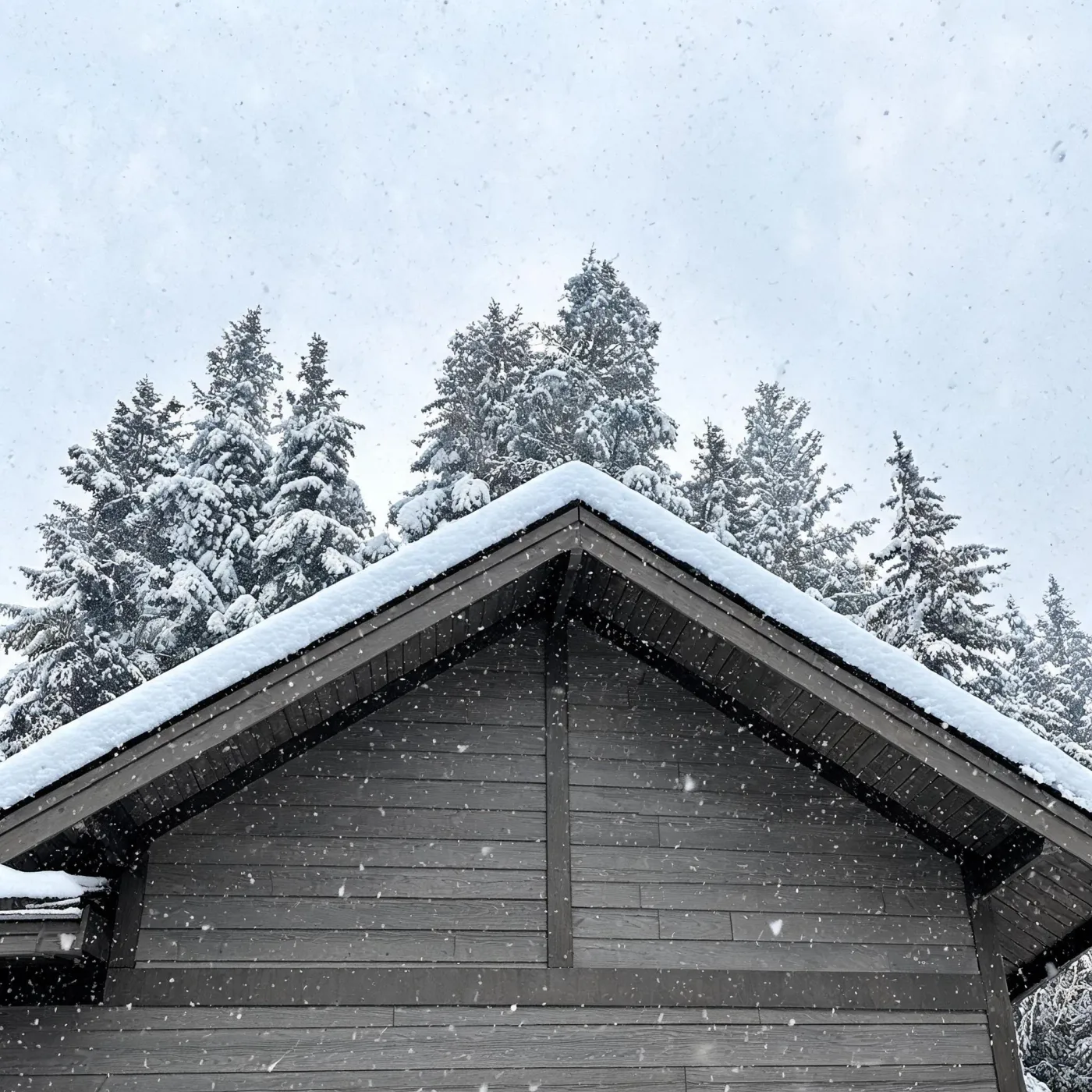
Snow-covered gable roof and dark wood-clad upper wall of a building, with snow-laden conifers and falling snowflakes against a pale overcast sky.

Statewide, winter nights average 9°F. Source: National Weather Service. Your furnace has to run long cycles to make up for that kind of cold, and long cycles mean the heat exchanger spends more time hot, more time cooling back down between runs. That's the cycle that fatigues the metal in the first place. You might notice the furnace running almost continuously on the coldest nights, barely shutting off before the thermostat calls for heat again. That's normal wear piling up faster than it would somewhere milder, and it's worth knowing when you're trying to figure out why a crack showed up in a furnace that isn't that old.

NOAA nClimDiv 1991-2020 county normals weighted by homes

A cracked heat exchanger comes down to a few things you can check tonight: soot near the burner, a flame that flickers yellow instead of burning steady blue, a carbon monoxide detector that's gone off, or anyone in the house with headaches that ease up once they leave. If none of that's showing, your furnace is likely doing what it's supposed to. If something is, the exchanger needs a real look with a borescope, not a guess through the cabinet door. A furnace that's run through enough Alaska winters to sit on the edge of this deserves someone who's pulled burner assemblies out of this exact equipment before and knows where the crack usually starts. One licensed contractor local to you can come take that look, so you're not fielding calls from three different companies while you wait to find out if your furnace is safe to run tonight.

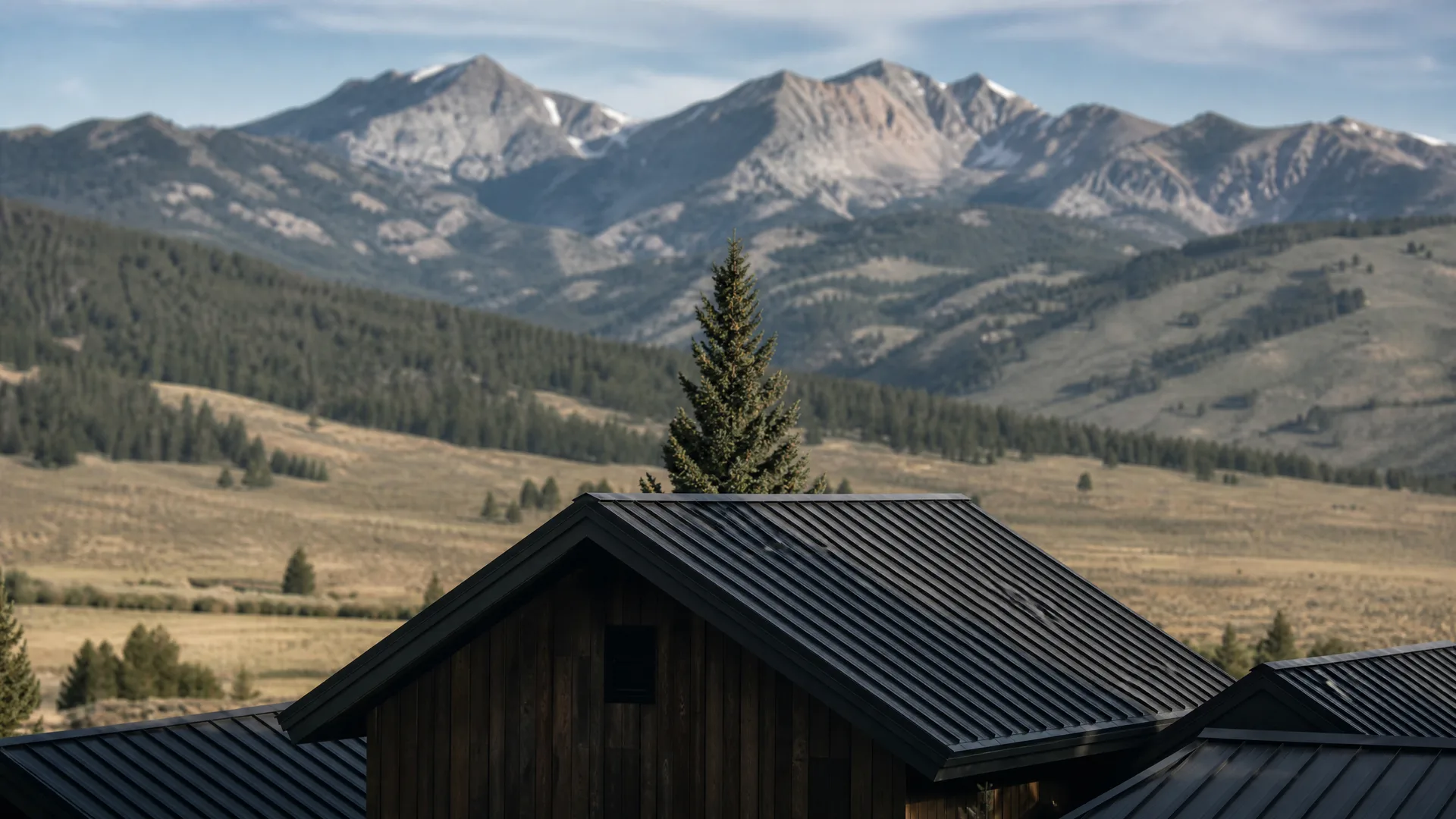
Dark standing-seam metal roofs of wood-sided buildings in the foreground, with a single spruce tree, grassy hills, conifer forest, and snow-streaked mountain peaks behind.

One form, no calling around

Skip the calls

Sending the form costs nothing.

You already know a furnace that runs September through May doesn't give you much room to wait on a cracked heat exchanger. One request connects you with a local tech licensed to check it, instead of you calling furnace companies around the state and explaining the same symptoms to each one.