

Running clean
This is a furnace with a clear sensor. The burners light, stay lit, and the blower keeps pushing warm air through the ducts without interruption. No clicking off, no retries. It just runs until the thermostat is satisfied.
A local pro who services furnaces gets in touch about the tune-up.
Find my proA furnace flame sensor needs cleaning when the furnace runs for a few seconds, shuts off, then tries again, over and over. That short cycling is the sign. The sensor is a thin metal rod near the burner that tells the furnace a flame is actually lit. Soot builds up on it over time, a thin coating that keeps it from reading the flame right, and the furnace shuts the gas off as a safety measure rather than risk running without one. With most homes here heating with gas and furnaces running hard for a good part of the year, that coating builds up faster than it would somewhere milder. If your furnace is giving you that start, stop, restart pattern, the sensor is the first thing worth checking before anything else gets replaced.




You'll hear the burners light, feel warm air start, then hear everything click off a few seconds later. The furnace tries again, and again. Some nights it keeps up with that cycle and the house stays warm enough. Other nights it gives up partway through and stays off, and that's when you'll notice the house cooling down fast with it this cold outside. Each failed attempt still draws power to run the igniter and blower, so a sensor that needs cleaning can run up your bill while barely heating the place. Left long enough, the furnace may stop catching at all, and in an Alaska winter that's not something to find out at two in the morning.
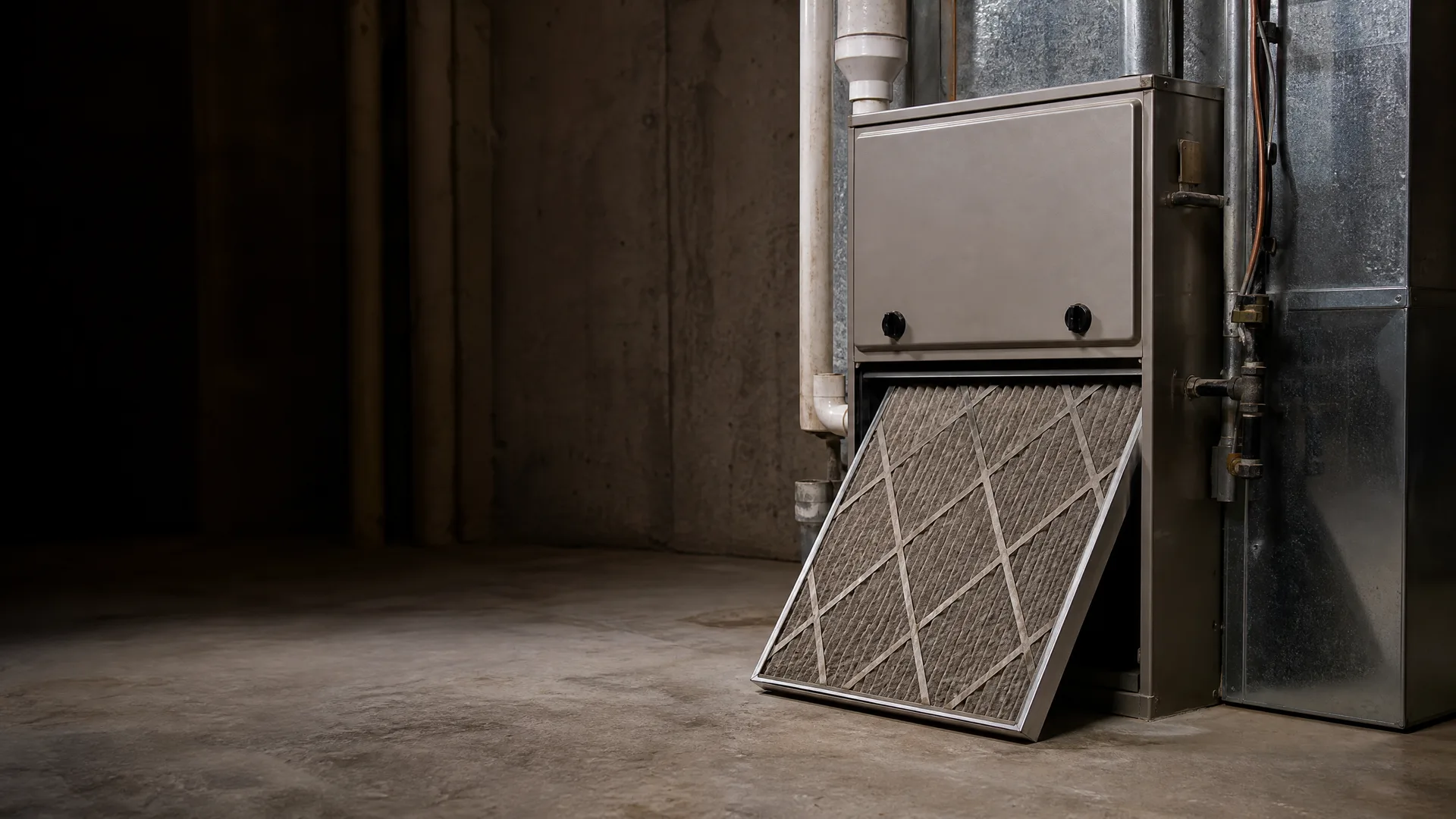
You're down in the basement on an October afternoon, filter pulled half out of the furnace, grey with dust from a summer the swamp cooler ran dry and dusty. You hear the burners catch, feel that first pull of warm air, then the click as it shuts off again. Outside the light is already going flat and early, the way it does here once fall turns. You crouch by the cabinet and listen to it try again. It catches, runs a few seconds, quits. You're not thinking about the rod by the burner yet, just doing the math on how many more nights you can let it cycle like this before the house stops keeping up with the cold coming.
You've heard that a dirty flame sensor causes the short cycling, and that cleaning it is the fix. But a rod sitting next to the burner doesn't sound like something that would stop working just because it's dirty. Before you pull it out and start scrubbing, it helps to know what the soot is actually doing to it and why a few strokes of sandpaper changes anything.
The flame sensor works by passing a tiny electrical current through the flame itself back to the control board. That current tells the board a flame is lit. Soot is not a conductor, so a coated sensor can't pass enough current through, even with a real flame sitting right on it. The board reads that as no flame and shuts the gas valve to be safe. Scrape the soot off with a bit of emery cloth or fine sandpaper and the rod can pass current again the moment it touches the flame. Nothing else about the furnace changes. The burner was lighting fine the whole time. It was the sensor that couldn't tell.

This is a furnace with a clear sensor. The burners light, stay lit, and the blower keeps pushing warm air through the ducts without interruption. No clicking off, no retries. It just runs until the thermostat is satisfied.

This furnace has a coated sensor. The burners light, the rod can't confirm the flame through the soot, and the control board cuts gas within seconds. It tries again, fails again. Some units lock out after three or four tries and need a reset at the switch.
At 9°F, your furnace can't afford to keep retrying. Each failed attempt pulls cold air through the house before the burners catch again, and with power costs what they are up here, a sensor that's making the furnace work twice as hard to do its job gets expensive fast.
NOAA nClimDiv 1991-2020 county normals weighted by homes


A furnace that keeps relighting all night isn't fixing itself, and in a place where power costs what it does here, every failed cycle is pulling money through the vents. A flame sensor takes a few minutes for someone who works on furnaces all season to clean, but it has to be the right few minutes, done without nicking the rod or leaving it out of position. That's not a guess you want to make yourself at 9 degrees outside. Get matched with a local contractor who services furnaces through Alaska winters and knows which sensors in which systems foul fastest and why. One contractor takes your request, not a handful of them competing for your number. They'll know what questions to ask about your furnace before they ever see it, because they've seen the same short cycling in houses near yours. That's worth more than guesswork with sandpaper in your own basement tonight.
A furnace that lights, shuts off, and tries again all night has a flame sensor that stopped reading the flame. That's the whole problem, and clearing the rod is almost always the whole fix. It's not a long job. It's a few minutes of work for someone who's done it a hundred times this winter already, because every furnace running gas in Alaska builds up the same soot on that same rod eventually.
What makes this worth getting to before the next cold snap isn't just comfort. A furnace stuck relighting is burning gas and pulling power to run a blower and igniter over and over for heat it isn't delivering, and on a power bill that's already among the higher ones in the country, that adds up fast. At 9°F outside, the house can't afford a furnace that's working twice as hard to do half the job.
When you put in a request, it goes to one contractor, not a handful. That contractor is local and licensed, and works on furnaces like yours all season, which means they've seen this exact soot buildup on this exact part more times than they could count. They'll know to check what else tends to go along with it while they're in there, rather than clearing the sensor and calling it done. One visit, one diagnosis, no guessing over the phone from someone who's never seen your furnace.
The short version hasn't changed since the top of this page: the sensor's dirty, it needs cleaning, and that's what stops the cycling.

A local pro for your furnace maintenance



