

Why your furnace is blowing cold air in Alaska

A local pro who knows furnaces gets your details and gets in touch.

Connect with a pro

Why is my furnace blowing cold air?

You turn the furnace on and the air coming out of the vents feels cold, not warm. In an Alaska winter that gets your attention fast, since most homes here run on gas heat and you need to know whether this is something quick or something that leaves you without heat overnight.

Usually the igniter or flame sensor, or the thermostat fan setting

Check the thermostat fan switch first. If it's set to "on" instead of "auto," the blower runs all the time, even between heating cycles, and that air feels cold. If the fan is set right, the problem is likely inside the furnace itself. A failing igniter or a dirty flame sensor stops the burners from lighting, so the blower pushes air through a furnace that never heated it. A clogged filter or a blocked vent can also shut the burners off as a safety measure while the fan keeps running. Whatever the cause, a gas furnace that won't light its burners needs a technician, not a thermostat adjustment, especially with how cold it gets here and how much a day or two without heat costs you.

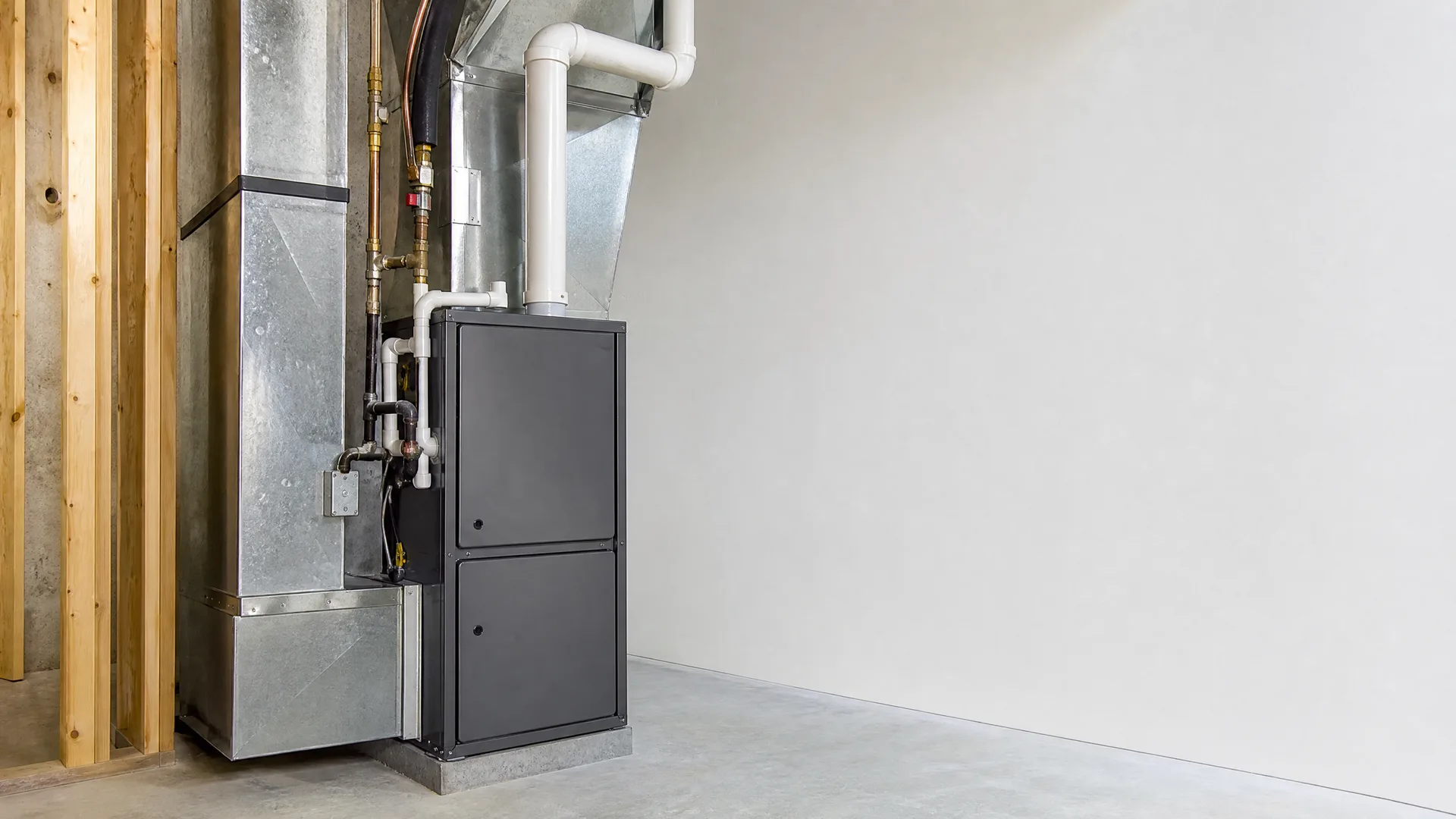
A dark gray furnace connected to galvanized sheet-metal ductwork, white PVC vent pipes and copper piping, standing against a plain light wall in a room with a bare concrete floor and exposed wood framing at left.

The igniter is the usual cause

Gas furnaces need a hot surface igniter or electronic ignition to light the burners. When that part fails, the blower still runs on schedule and pushes cold air through the house because no flame ever started. You will often hear the blower kick on normally, which is what makes this fail so convincing. A furnace that clicks a few times and then goes quiet is usually trying and failing to get a flame going, not warming up slowly.

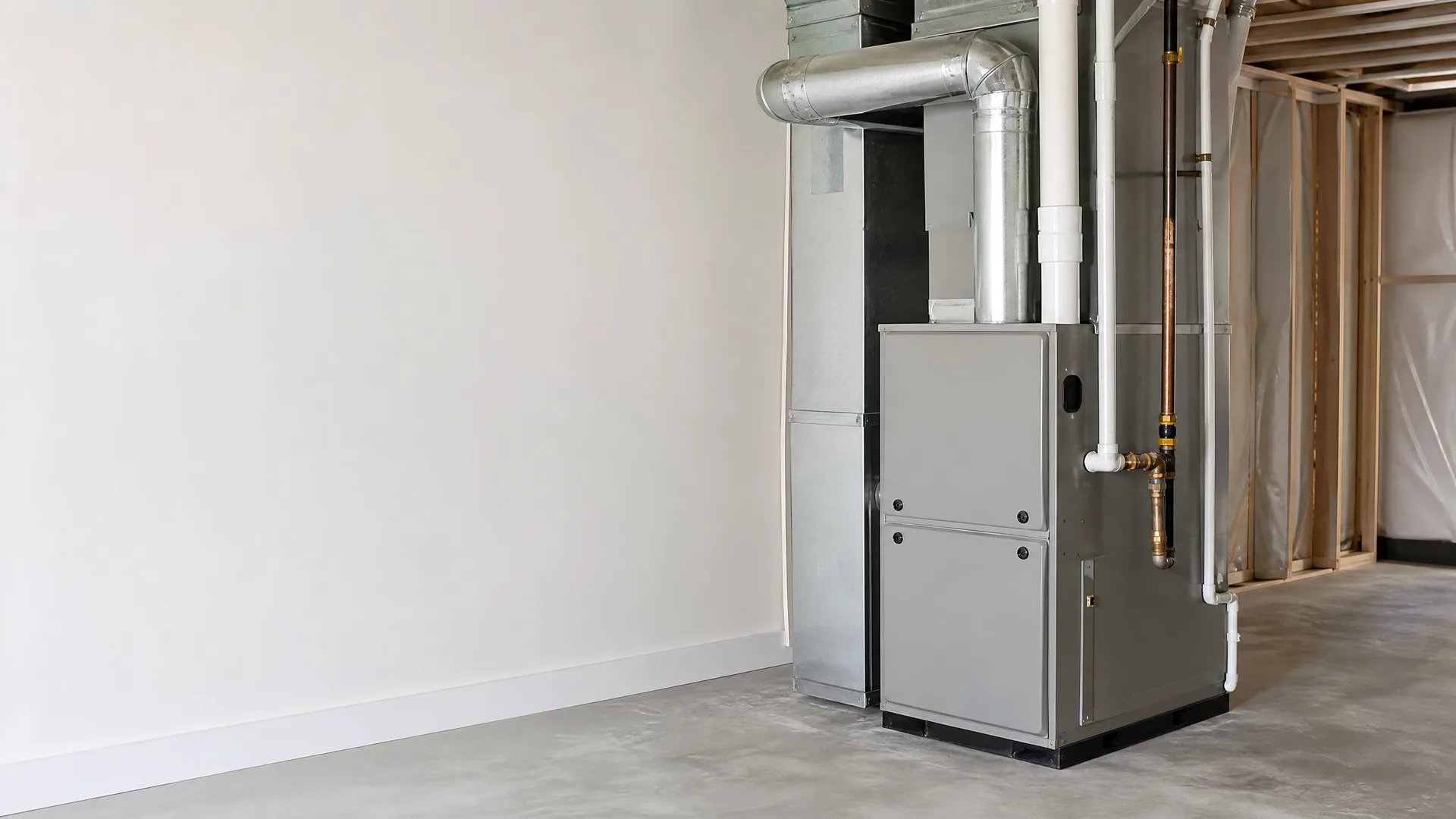
A gray high-efficiency furnace with sheet-metal ductwork, white PVC vent pipes and copper piping stands against a wall in an unfinished basement with a concrete floor and insulated wood stud framing at right.

A thermostat fan setting matters

Check whether the thermostat fan switch is set to ON instead of AUTO. On ON, the blower runs continuously, even between heating cycles when no flame is lit, and that air will feel cold. AUTO lets the blower run only when the furnace is actually producing heat. This is worth checking before anything else, because it costs nothing to look and it rules out a simple setting instead of a failed part inside the furnace itself.

Check It Yourself or Call Now

Call for repair now

  • A furnace blowing cold air in an Alaska winter is not something to leave for a day or two while you watch and wait.
  • If the igniter has failed, the gas valve won't open and the burners never light at all, so you get blower noise and no heat.
  • A cracked heat exchanger can also cause cold air along with a burner that won't stay lit, and that is a safety issue, not just a comfort one.
  • A licensed contractor who works on furnaces through the winter here has likely seen the same igniter or flame sensor failure many times already this season.
  • Waiting risks frozen pipes or a much colder house if the failure gets worse overnight, and parts for an older furnace may need to be ordered in.

Try one thing first

  • Check the thermostat is set to heat and not fan only, since the fan setting alone will circulate cold air with no flame involved.
  • Look at the air filter. A filter clogged enough can sometimes cause the limit switch to cut off burners early, leaving only blower air moving.
  • If the furnace has a standing pilot, check whether the pilot light is actually lit before assuming the igniter or control board failed.
  • Reset the furnace at the breaker once, since some control boards lock out after a failed ignition attempt and a reset clears that.
  • If cold air keeps coming after these checks, the cause is inside the furnace and needs someone who can test the igniter, flame sensor and gas valve directly.
A gray high-efficiency furnace in a basement with sheet-metal ductwork, white PVC vent pipes, metal plumbing lines, a condensate pump on the floor, and a window showing green trees outside.

Furnace running the way it should

Warm air moves through the ductwork, the flue pipe carries exhaust outside, and the condensate pump clears the water the system produces as it runs. Nothing here needs attention yet, but it's worth knowing what normal looks like before something fails.


An older metal furnace with PVC and metal pipes stands on a concrete basement floor beside galvanized ductwork, with wooden stairs and a water tank in the background.

Furnace in trouble

Dust has built up over the burners and around the gas lines, and that kind of buildup can affect how the igniter lights the flame. If yours looks like this and the air coming out is cold, a licensed contractor should take a look before you run it again.

A gray-haired man in a dark sweater sits on a light gray sofa in a living room, looking toward a sunlit window with trees outside.
A gray-haired man in a dark blue sweater sits on a light gray sofa in a sunlit living room, looking off to the side, with a potted plant, shelving unit, and large glass doors behind him.
A bearded man with graying hair in a dark green sweater sits on a sofa in a living room, looking off to the side, with a sliding glass door and a dim kitchen doorway behind him.
A gray-haired man in a dark knit sweater sits on a light gray sofa in a living room, looking toward a sunlit window, with houseplants, a lamp, and framed art in the background.

Get your furnace to the right pro

Only one pro gets your request, so you hear from one company.

No charge to send it. You decide if you hire them.

What a cold house costs you here

With gas heat, a furnace that quit igniting but still blows air doesn't show up on your gas bill, but it shows up on your electric bill. The blower motor is electric, and it keeps running on schedule even though no flame is lighting the burners. Power in Alaska is already expensive, so you're paying to run a fan that's only moving cold air through the house. Meanwhile your indoor temperature keeps dropping, and in a winter this cold, a few hours of that is enough to notice in every room, not just the ones farthest from the furnace.

What happens if it waits

A furnace that won't ignite doesn't fix itself, and leaving it running while you wait means cold air gets pushed through your ductwork for as long as the blower keeps cycling. Pipes that run through unheated spaces like a crawlspace or garage are the first ones at risk once the house temperature drops enough. The longer the house sits cold, the more ground it has to make up once the furnace is working again, and that's a harder pull on a system that was already struggling. Getting a qualified technician to look at it before that happens is the difference between a repair and a bigger problem.

A gray metal furnace with louvered vent panels stands on a concrete basement floor beside galvanized ductwork, gas and plastic pipes, and foil-faced insulation along the ceiling and wall.
Before you get your furnace repair
A basement utility area with a gray furnace, sheet-metal ductwork, pipes, plastic-covered walls, a concrete floor, and a black shelving unit holding storage bins.
After you get your furnace repair

Before you get your furnace repair

You keep running the blower on a schedule, paying to push cold air through the house while the house loses ground against the Alaska cold outside.

Find a pro near me

After you get your furnace repair

The igniter lights the burners again, warm air comes through the vents, and your electric bill stops carrying the weight your gas furnace is supposed to.

Find a pro near me
A middle-aged woman with shoulder-length dark hair, wearing a gray cardigan over a cream top, sits in an upholstered armchair and looks toward a sunlit window, with a shelf holding framed pictures and a plant behind her.
A woman with dark hair in a bun sits wrapped in a chunky knit blanket on a couch with a child resting his head on her shoulder, eyes closed, beside a lit lamp and bookshelf indoors.
A gray furnace with white PVC vent pipes stands beside sheet-metal ductwork in a basement with a smooth concrete floor, exposed wood framing, and plastic sheeting on the walls.
The burners are lit and the heat exchanger is doing its job, so the air at the vent is warm all the way through the house.
A beige furnace with two access panels stands against a concrete basement wall, with galvanized sheet-metal ductwork, a white PVC pipe, flexible conduit and insulated ducting around it.
Rust has worked into the cabinet and the flue pipe, a sign of age that often shows up alongside ignition trouble.

Winter nights average 9°F statewide

At 9 below zero on an average winter night, a furnace that's only pushing cold air gives a house no time to lose ground. A failed igniter on a night like that isn't a wait and see problem, it's one worth getting a tech out for right away.

NOAA nClimDiv 1991-2020 county normals weighted by homes

Cold Air, Dead Igniter, Fast Fix

  • Cold air at the vents on a gas furnace almost always traces back to the igniter not lighting the burners.
  • The blower keeps running on schedule whether or not the burners lit, which is why you feel airflow but no warmth.
  • At 9 below zero overnight, waiting on a furnace that's only moving cold air costs you ground you won't get back quickly.
  • A local contractor who works on furnaces all winter in Alaska has likely seen this exact igniter failure many times before.
  • Matching you with one licensed local contractor means a single call back, not a string of competing bids.
  • Once the igniter is replaced and the burners light again, the blower is pushing warm air through the same ducts, not cold.

A gas furnace blowing cold air almost always comes down to one part: the igniter never lit the burners. The blower doesn't know that. It keeps running on schedule, so you feel air moving through the vents, just not warm air. That's the whole picture, and it's a straightforward one for someone who knows what to check.

At 9 below zero overnight, that's not a problem to sit on. A house loses ground fast when the only thing coming through the ducts is cold air pushed around by a blower motor that's running for nothing. The sooner the igniter gets replaced, the sooner the burners light again and the air at the vent turns warm.

This is the kind of call a local contractor has taken before, more than once, in an Alaska winter. Someone who services furnaces here all season has likely seen this exact failure play out the same way in other houses nearby, and knows what to look for first. When you put in a request, you get matched with one licensed contractor local to you, not a handful of companies competing for the job. One call back, from someone who already has a sense of what's probably wrong before they walk in.

Once the repair is done, nothing about the system has to change. Warm air moves through the same ductwork it always has. The blower runs on the same schedule. The only difference is that the burners are lit when it does, and the air coming through the vents matches what the thermostat is asking for.

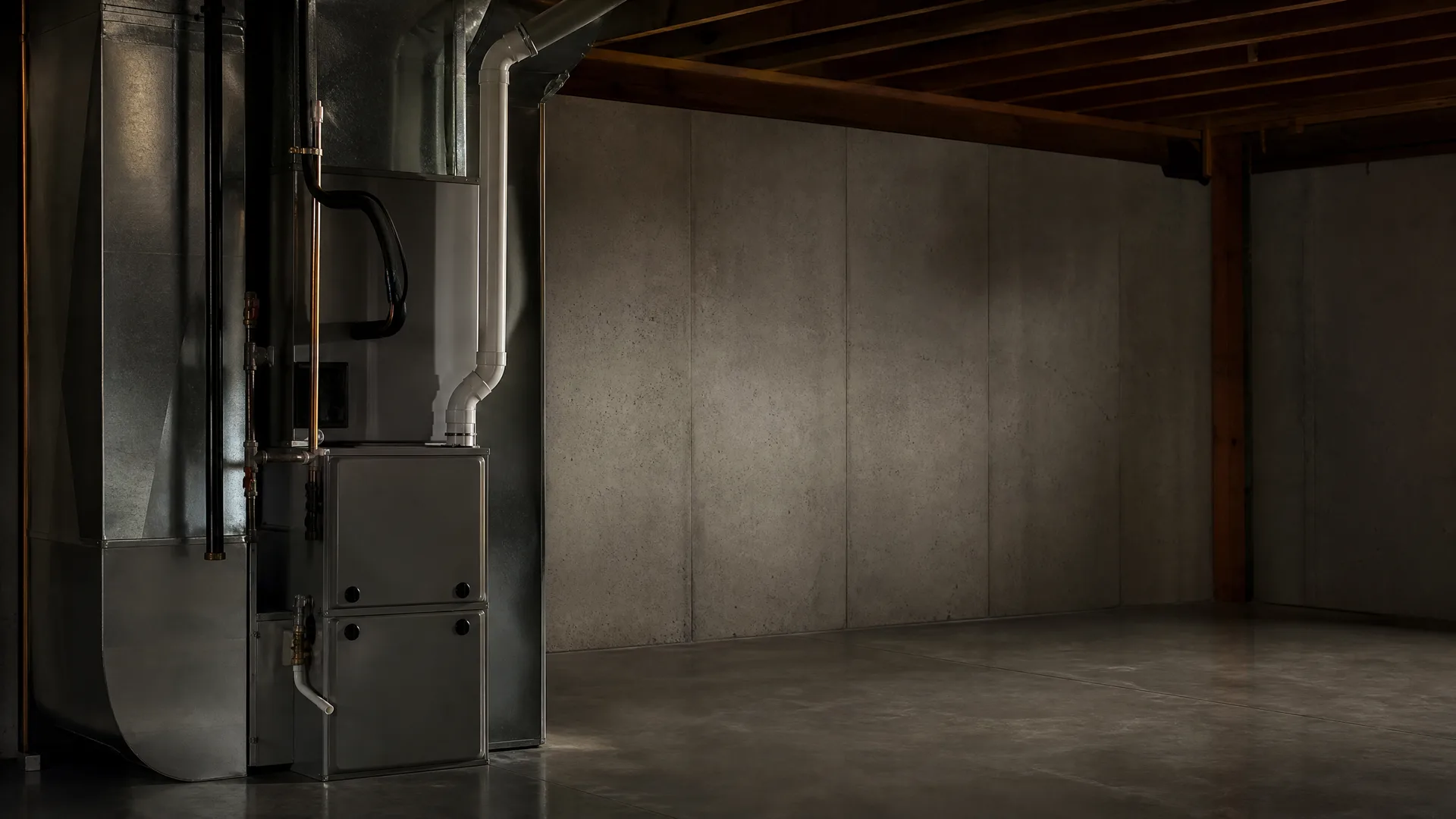
A dimly lit basement with concrete floor and walls, exposed wood joists, and a furnace with sheet-metal ductwork and copper piping on the left side.

Matched to your furnace job

Your request goes to one pro, not a list of companies.

Step 1 of 3: Equipment