
Running clean
A furnace that starts quiet lights all its burner ports at once, right when the igniter glows. No delay, no pooled gas, no jolt. The flame sensor and igniter are doing their job, and the burner ports are clear enough to light evenly.
 Get matched
Describe your furnace job, and a local pro who handles it gets in touch.
A bang when your furnace kicks on is usually gas building up in the burner before it lights, then catching all at once. It gets worse in cold weather because that's when the furnace is firing most often, and most Alaska homes run on gas, so this is a common call once the weather turns.
The noise itself doesn't tell you which part is behind it. A dirty burner, a cracked heat exchanger, a bad igniter, or ductwork expanding as it heats up can all cause a bang. Some of these are a quick fix. Others mean the furnace shouldn't run again until someone looks at it.
With power costs what they are here, a furnace that's working harder than it should to light or run is money going somewhere you don't want it going. Waiting on a noise like this rarely makes it go away on its own.
This isn't something to figure out by searching around for your exact furnace and guessing. A contractor who works on furnaces in Alaska through the cold months knows which of these causes shows up most, and what to check first for your make and age of unit. Getting matched with one means you're talking to someone local who already has a sense of what's likely before they walk in, not a stranger reading a manual.
You'll be connected with one contractor suited to your situation, not a handful of companies competing for your call. They'll reach out to you directly to look at what your furnace is doing and go from there.
Read on for what's actually causing the noise and what tends to happen if it's left alone.
Your furnace bangs every time it starts, and it's loud enough that you notice it from another room. You're not sure if that's just how gas furnaces sound or if something is actually wrong. With how often the furnace runs once it's cold out, you want to know whether this is a quick fix or a sign of a bigger problem before it gets worse.
The bang happens when the burner doesn't light right away. Gas keeps flowing into the chamber for a second or two, builds up, then ignites all at once instead of lighting smoothly. That small delay is usually caused by a dirty burner, a weak flame sensor, or an igniter that's starting to fail. Once the furnace is running, the noise usually stops, but it will keep happening at every startup until the part causing the delay is fixed. With a gas furnace firing on and off all day through an Alaska winter, that's a lot of chances for the delay to get worse, and for the banging to get louder as more gas builds up before each ignition.
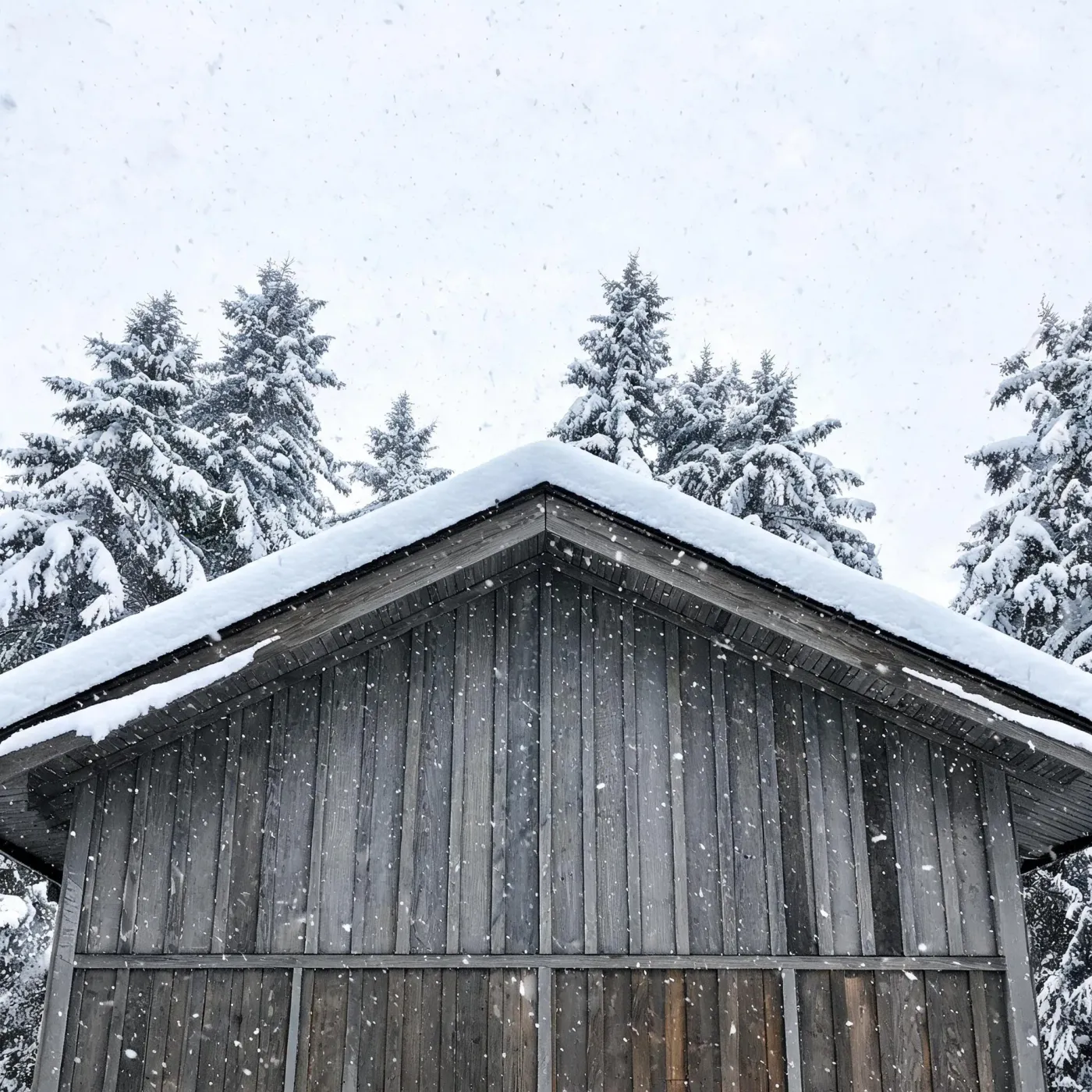
Winter nights here average 9°F statewide, according to the National Weather Service. At that temperature your furnace is running long cycles, kicking on again and again through the night to keep up. Each start is another chance for gas to pool in the burner before it catches, which is what produces the bang. The colder it gets outside, the more often that moment happens, so a bang that was occasional in October can turn into something you hear every time the heat kicks on by January. A furnace tech who works on Alaska winters every year has seen what a delayed ignition looks like at 9 below and knows which part is behind it. Getting matched with one local contractor means someone who already knows this cold looks at your furnace, not a stranger guessing from a warmer climate.
NOAA nClimDiv 1991-2020 county normals weighted by homes
A furnace that bangs on every start usually has a dirty burner or an igniter that's lighting late, and either one gets worse the longer it runs unfixed. Through an Alaska winter that furnace might fire dozens of times a night, so a small delay in ignition turns into a bigger bang, and eventually into a cracked heat exchanger that costs a lot more to put right. With power rates here among the highest in the country, you're not in a position to let the furnace run inefficiently either, and a burner that's not lighting clean is burning more gas than it needs to. This isn't something to wait on until spring. A local contractor who works on furnaces all winter in this state has likely seen the exact model and the exact noise before, and knows which part is behind it. Getting matched with one means one contractor looking at your furnace, not a handful of strangers calling about it.
A gas furnace is supposed to light fast. The igniter glows, gas opens into the burner, and the flame should travel down the row of ports in well under a second. When that timing holds, you get a steady whoosh, not a bang. The noise starts when something slows that process down. If the igniter is weak or firing a beat late, gas keeps flowing past the first ports before there's any flame to catch it. By the time ignition happens, there's more gas sitting in the burner than there should be, and it all goes at once instead of spreading port by port. That rush of ignition creates a small shock wave inside the burner compartment, and that's the bang you're hearing, not the furnace itself failing.
Rust or dirt sitting on the burner ports does the same thing a slow igniter does. It blocks the flame from spreading quickly, so gas has more time to pool before it lights. A furnace that's never had its burners cleaned will often start banging gradually, a little louder each week, as more buildup collects.
Not every bang comes from the burner. A cracked heat exchanger can let flame burn in a space it was never meant to reach, and that can produce a similar sound on startup. That one isn't a maintenance issue, and it's not something to guess about from another room.
At 9°F your furnace isn't cycling a few times a night, it's running almost constantly to hold the house. More starts means more chances for gas to pool before it lights, so a burner that's slow to ignite will bang far more often here than it would somewhere milder.
NOAA nClimDiv 1991-2020 county normals weighted by homes

Every time gas pools before it lights, that small delayed ignition puts a jolt through the burner assembly instead of a smooth flame. At 9°F outside, your furnace might see that jolt dozens of times a night. Metal that gets hit that often starts to crack or warp at the burner ports, and a cracked burner doesn't get better on its own. You'll likely notice the bang getting louder or more frequent over the course of the winter before anything else goes wrong.
There's also the gas itself. Power in Alaska already costs more than almost anywhere else, so a lot of homes lean on gas heat to keep bills manageable. A furnace that's burning gas inefficiently because of a dirty burner or slow igniter is costing you more per cycle, and with the furnace running nearly nonstop some nights, that adds up fast. A local contractor who works on furnaces through Alaska winters sees this exact pattern often enough to know what's usually behind it, and getting matched with one means a single qualified tech looking at your furnace, not a string of calls to field.

A furnace that starts quiet lights all its burner ports at once, right when the igniter glows. No delay, no pooled gas, no jolt. The flame sensor and igniter are doing their job, and the burner ports are clear enough to light evenly.

This is an older furnace, and the louvered vents on front are a sign of a standing pilot or an aging burner assembly. Years of cycling through Alaska winters can wear an igniter down or let soot build on the ports, and that's usually where a bang starts.
A furnace that bangs on startup has a late or weak igniter, or a burner that needs cleaning, and neither one fixes itself. Left alone through an Alaska winter, that small delay in ignition turns into a bigger jolt, fired dozens of times a night at 9°F, and the burner assembly takes that hit every time. Getting it looked at means one licensed contractor local to you, someone who works on furnaces all winter and has seen what a delayed ignition does to a burner after enough cold nights. You won't be fielding calls from a handful of companies trying to win the job, just the one who's actually going to show up and look at your furnace. That bang is your furnace telling you something specific is off, not something to live with until spring.

The pro who reaches out is licensed in Alaska.