Profile view of a bearded man wearing a dark baseball cap and a dark gray T-shirt against a plain off-white background.

Why your furnace smells like burning in Alaska

Step 1 of 3: Equipment

Why does my furnace smell like it's burning?

A gas furnace that's been off since spring, or just running harder now that it's cold, starts putting off a burning smell. You want to know if that's normal or if something's wrong before you're relying on it every day through winter.

A little burning smell the first time it fires up is normal. If it lingers or comes back, call for repair.

Dust collects on the burner and heat exchanger over the summer, and the first few times the furnace runs, that dust burns off. It should clear in an hour or two and not come back. If the smell keeps showing up, or it smells like hot metal, plastic or something electrical, that's not dust. It could be a cracked heat exchanger, a dirty burner, or a motor overheating. With gas furnaces, a burning smell that doesn't go away is worth taking seriously, since the same system that heats your home vents combustion gases out of it. Given what power costs in Alaska, most homes here lean on gas heat all winter, so a furnace that isn't running right is worth sorting out before it's doing all the work.

A woman in a cream cowl-neck sweater sits by a window with snow outside, in a dimly lit living room with a sofa, lit lamp, mirror, candles and a fireplace.
A woman in a gray turtleneck sweater sits beside a large window looking out at snow-covered evergreen trees, in a dimly lit living room with a lit fireplace, lamps, couch and houseplant.
A woman in a cream turtleneck sweater stands beside a large window with snow-covered ground and bare trees outside, in a dimly lit living room with lamps, a sofa and framed art.
A woman in a grey cowl-neck sweater stands indoors near a window, looking out at falling snow, with a lamp, framed picture and couch in the warmly lit room behind her.

A burning dust smell in the first days you run the furnace after a dry Alaska summer usually clears on its own within an hour. If it doesn't, or if it comes back every time the furnace cycles, something's sitting too close to a hot surface inside the cabinet, or a part is overheating. That matters more here than almost anywhere, because once it's cold you're running that furnace around the clock, and a crack in the heat exchanger or a failing blower motor doesn't wait for a good time to quit. You'd be without heat on a day you can't afford to be, and running the furnace harder to cover for a weak part costs you on a power bill that's already steep. A plastic or electrical smell isn't dust burning off. That's wiring or an insulation fault, and it's worth having checked before you find out the hard way, at two in the morning, that it didn't clear up.

A gray furnace with two access panels stands on a concrete basement floor beside sheet-metal ductwork, with pipes, flexible conduit and an electrical box on the concrete wall to the left.
Before you get your furnace repair
A gray high-efficiency furnace stands on a concrete basement floor beside galvanized sheet-metal ductwork, white PVC vent pipes, copper and black piping, and unfinished wood stud framing.
After you get your furnace repair
A gray high-efficiency furnace with white PVC vent pipes stands beside sheet-metal ductwork and a water heater in an unfinished basement with concrete walls and wood framing.

Furnace running clean

A new burning smell for the first hour of the first cold night is just dust burning off the heat exchanger. By the next cycle it's gone, and the furnace runs the rest of the winter without that smell coming back. That's the one time it's nothing to worry about.


A beige gas furnace with a metal flue pipe stands in a basement against concrete block walls, beside sheet-metal ductwork, copper and white plastic pipes, and a water heater at right.

Furnace running dirty

An older furnace with galvanized ductwork can keep putting off a burning smell cycle after cycle. That usually means something inside the cabinet, a stuck blower, a cracked wire, dust packed against the burner, is sitting against a hot surface. It won't fix itself, and it's worth having someone look before a hard freeze.

Winter nights average 9°F statewide

At 9°F on a typical winter night, your furnace is running most of the night to keep up. That's a lot of cycles on the igniter and burner, and a lot of chances for dust or a failing part to scorch and send that smell through the vents again.

NOAA nClimDiv 1991-2020 county normals weighted by homes

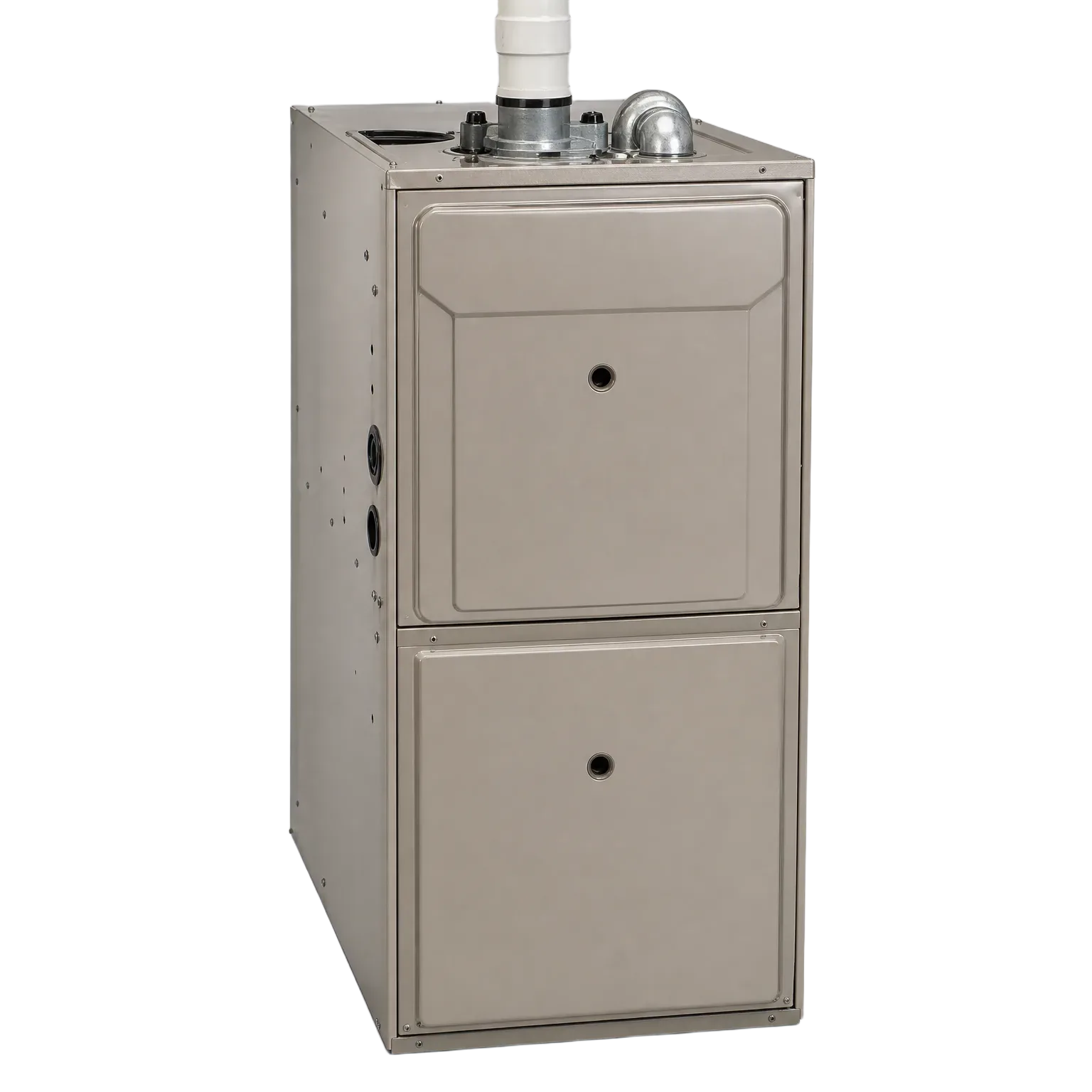
A beige high-efficiency furnace in an unfinished basement, with white PVC vent pipes, a yellow gas line, metal ductwork, and exposed wood framing on a concrete floor.
Clean burn, no smell left behind once that first cold night's dust has cleared off the heat exchanger.
An older beige furnace with two louvered vent panels stands on a concrete basement floor, connected to galvanized ductwork and a metal flue pipe, with gas piping and flexible conduit on the wall behind.
Black iron gas pipe and an aging flue like this are where a burning smell that won't quit usually starts.
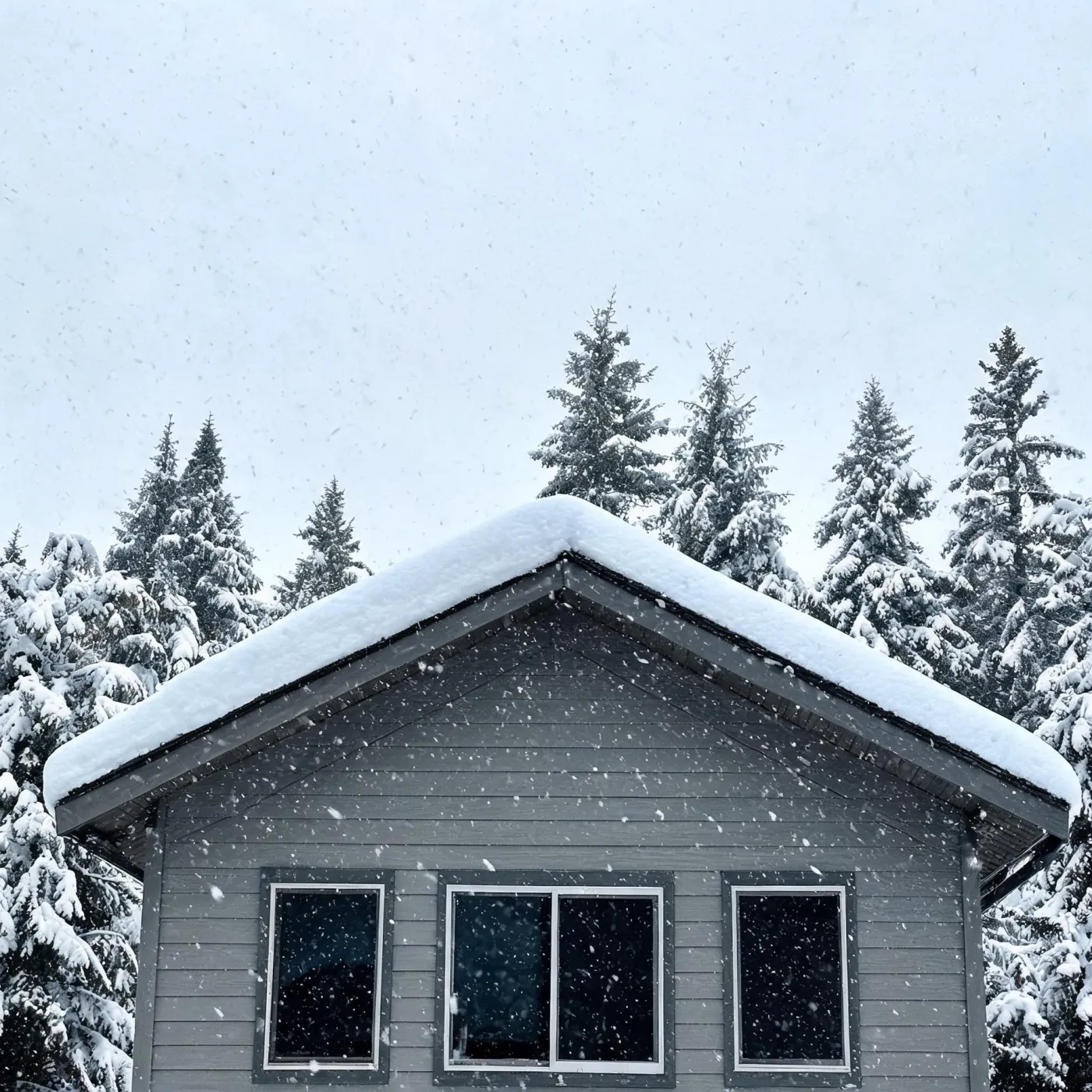
Gable end of a gray horizontal-siding house with three dark windows, its roof covered in thick snow, surrounded by snow-laden conifers under a pale sky with falling snowflakes.

Statewide, winter nights average 9°F, and your furnace answers that by running in long, frequent cycles rather than the short bursts it does on a mild fall evening. Each cycle heats the burner and igniter to full temperature, cools down, then fires again hours later, all night long. Dust or lint that lands on a hot surface during one of those cycles can scorch and send a burning smell through the vents, and the more cycles a cold night demands, the more chances for that to happen. If it's happening often enough to worry you, you don't have to spend an evening calling furnace companies and repeating the same description of the smell to each one. Answer a few questions here and a contractor who handles this in your area will reach out to you directly. Source: NOAA, statewide average winter low temperature

NOAA nClimDiv 1991-2020 county normals weighted by homes

Get the right pro for your furnace

Answer a few questions instead of calling shop after shop.

Asking costs nothing, and the choice to hire stays yours.

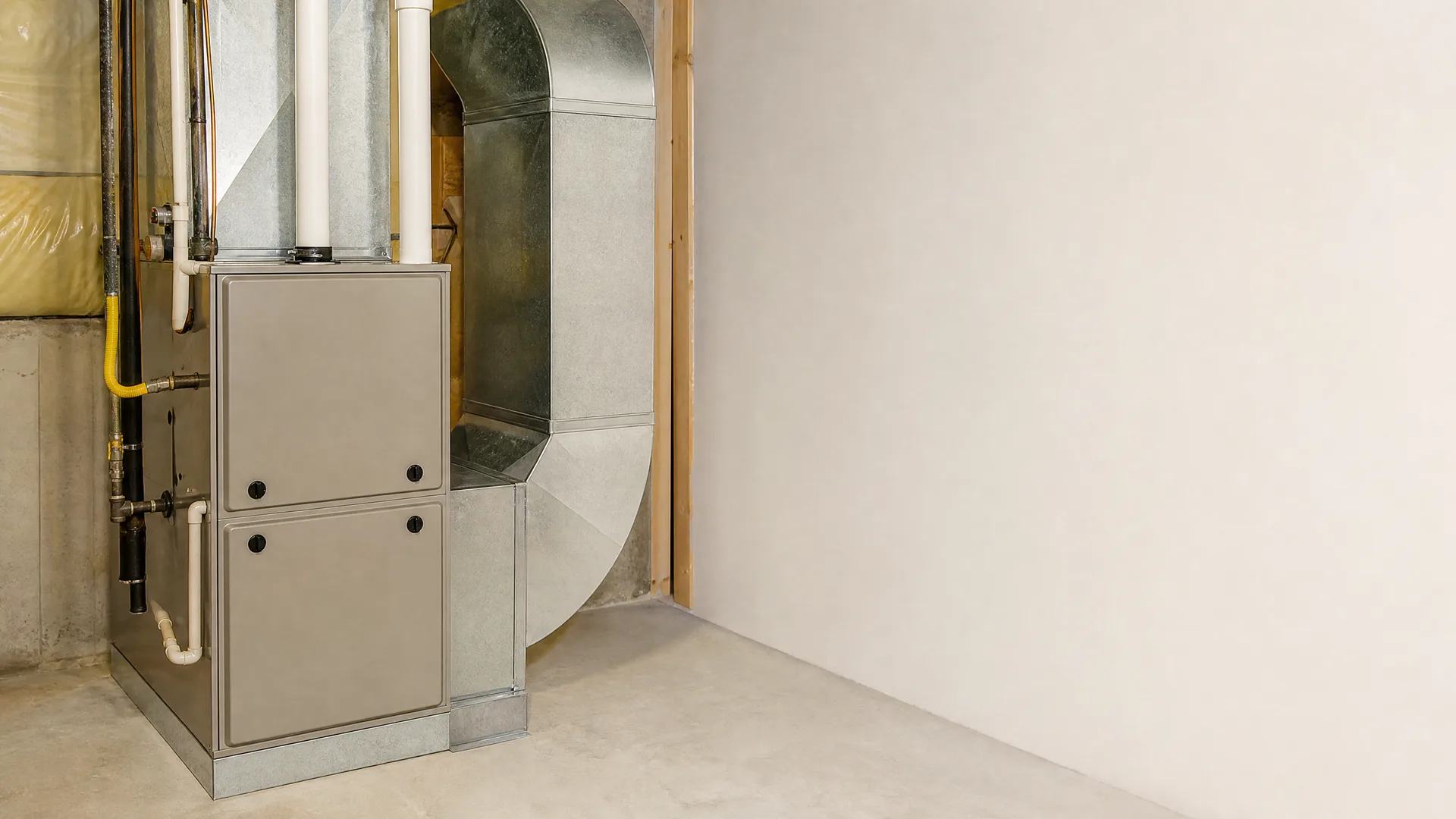
A gas furnace with sheet-metal ductwork, PVC vent pipes and copper and black piping stands against a wall in a basement with a bare light-colored wall and concrete floor.

A smell that's just dust burning off

Your furnace sat idle through a dry Alaska summer, and dust settled on the heat exchanger and burner while it wasn't running. The first time it fires up for the season, that dust scorches and the smell comes through the vents. It's sharp for the first cycle or two, then it's gone. Nothing inside the furnace was damaged, and nothing needs to be opened up or adjusted. Next time the furnace kicks on, you won't smell it again.

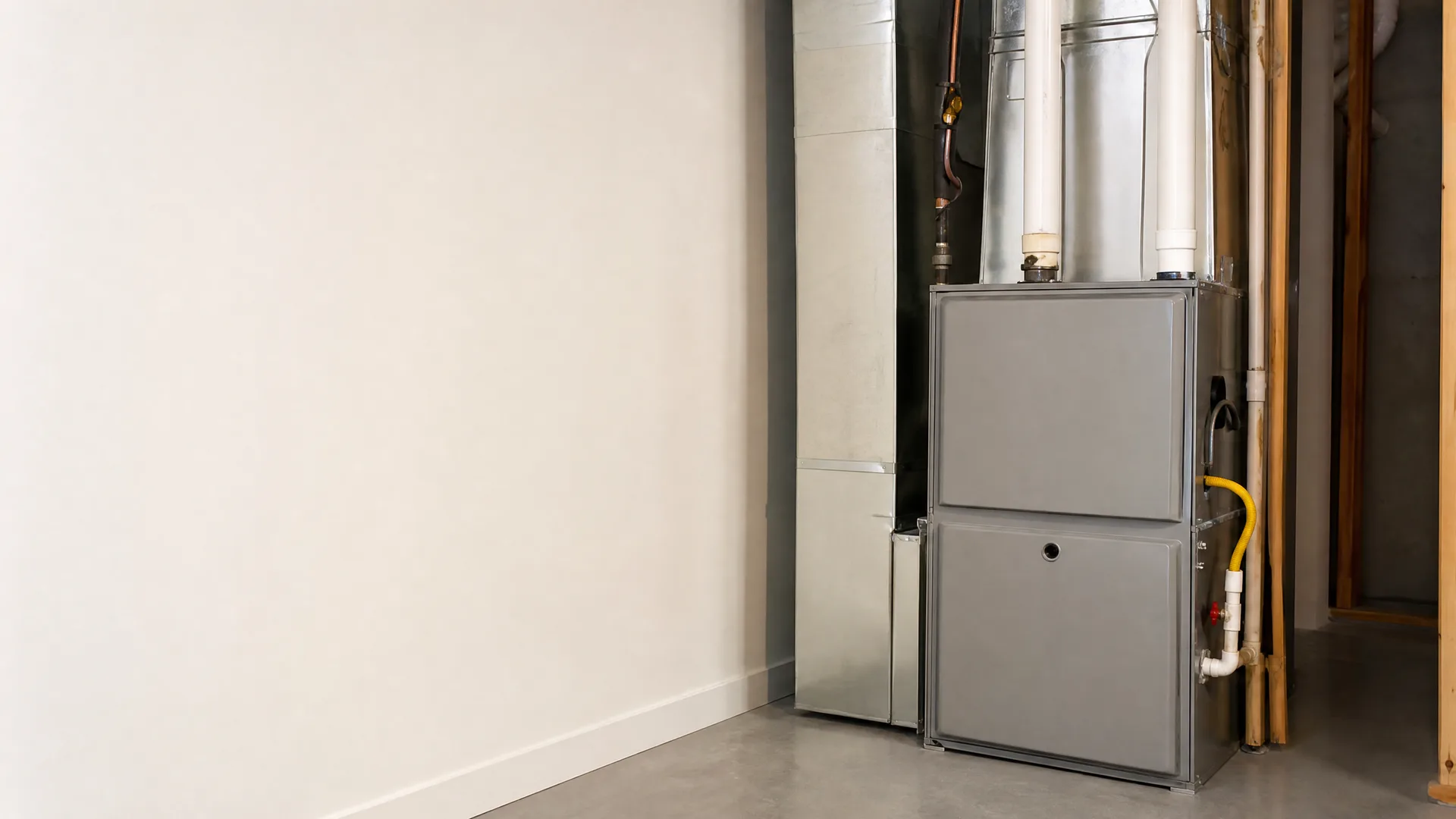
A gray furnace with attached sheet-metal ductwork, white PVC vent pipes, copper and yellow gas lines stands against a wall in a room with a plain white wall and concrete floor.

A smell that keeps coming back

If the burning smell shows up every time the furnace cycles, not just the first night, something is sitting against a part that shouldn't be getting that hot, or a part itself is breaking down under the heat. Wiring insulation, a cracked heat exchanger, or a blower motor working too hard can all put off a burning smell that doesn't clear. Left alone through a winter of 9°F nights and long run times, whatever's causing it gets worse, not better.

Is the smell in your house still there or gone already

Go room to room while the furnace is running. A dust smell from the first cold night fades after an hour and doesn't come back on the next cycle. If you're still catching it at the vents on day three, or if it shows up only when the furnace kicks on and disappears when it shuts off, that's not leftover dust. Check if it smells sharp, like hot metal or burning plastic, rather than like a dusty attic. With power costs what they are here, a furnace that's working harder than it should to heat the house is already costing you. Left alone, whatever's scorching inside the cabinet can damage the part it's touching, and that turns a smell into a repair you can't put off.

A bearded man in a plaid flannel shirt sits indoors looking out a window at snow-covered trees, with a steaming mug on the sill and wooden kitchen shelves behind him.
A smiling man in a dark blue T-shirt sits on a light gray sofa in a living room with a wooden shelf and window behind him, with a laptop edge visible in the foreground.
A woman stands in the open doorway of a white stucco house holding the dark door, facing a man in a black cap and shirt seen from behind in the blurred foreground, with a potted flowering plant beside the entry.

Give it one cold night, then trust what you smell

A burning smell on the first night you run the furnace is dust clearing off the heat exchanger. Gone by the second cycle, it's nothing. Still there on the third night, or back every time the furnace kicks on, it's not dust anymore. At 9°F outside, your furnace isn't cycling once or twice an evening, it's running most of the night, and whatever's causing that smell gets more chances to scorch with every cycle.

You already know not to let a small problem sit through an Alaska winter. The part that takes the time is finding a contractor who'll actually look at a gas furnace instead of guessing over the phone, then waiting on a callback, then explaining the same smell again to the next one. Once you're matched with a contractor who handles what your furnace needs, they're the one reaching out to you, and that back and forth is done.

Interior corner of a dining room with a round wooden table, a ceramic vase holding olive branches, a dark spindle-back chair near a curtained window, and a sideboard with a lamp against beige walls.
Interior room corner with sunlight from a window, showing peeling paint and damaged plaster on the wall above a white baseboard, a wooden cabinet with a pale bowl on top, hardwood floor and a patterned rug.
Interior corner of a room with tan walls, white profiled baseboard and window trim, a wood-plank floor in sunlight, and green foliage visible through the window.
An empty room corner with cream walls, white baseboard, two windows with deep sills showing green foliage outside, and a wood plank floor lit by sunlight.
Empty room corner with beige walls, white beadboard wainscoting, chair rail and baseboard, a window with green foliage outside, and sunlight casting leaf shadows on the wall above a wood floor.
Sunlit room corner with a multi-pane window, beige walls, white baseboard, wood floor with a woven rug, and a dark wooden cabinet holding a ceramic table lamp below a framed picture.

A pro who works on furnaces

Describe your furnace job once, to one pro.

Get a furnace pro

No fee to send it, and nothing to sign.