Tell us about the job
Takes about a minute. No obligation.
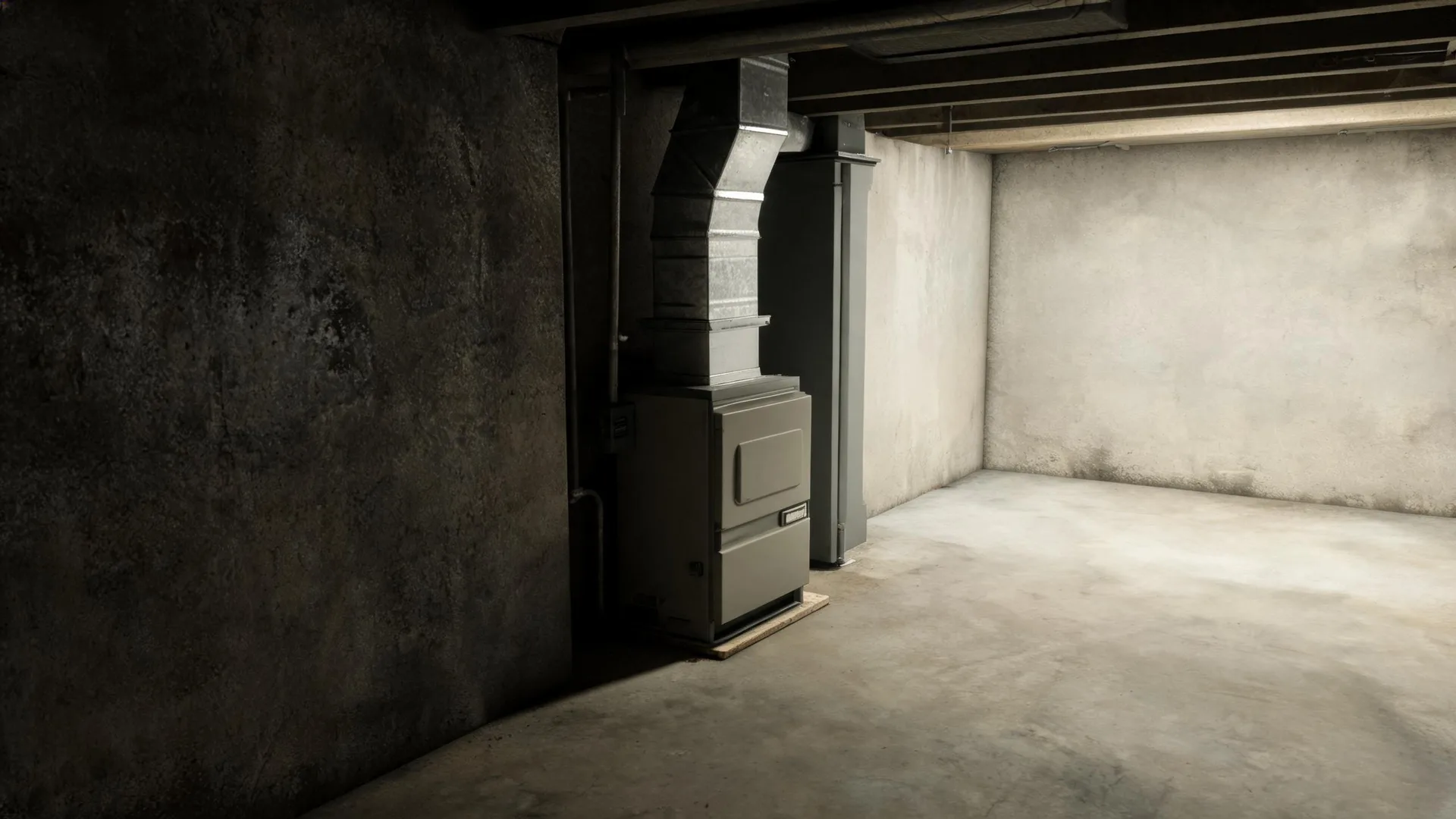
A furnace repair in Yukon-Koyukuk starts with the parts that cycle hardest: the ignition system, the burner, and the heat exchanger. Homes in Yukon-Koyukuk Census Area, AK run heat in every month of the year. That continuous runtime lands almost entirely on the components that fire and shut the burner, and a contractor working through a diagnosis will check ignition and heat exchanger condition before looking elsewhere. Cracks that might go undiscovered in a shorter season become failure points here because the furnace never gets an extended rest that would keep them from growing.
Opened up, a furnace in this part of Alaska has a way of presenting components that current parts catalogs treat as marginal fits: heat exchangers with geometries that differ from current stock, limit switches whose ratings sit at the edge of what replacements cover, flue connections sized for equipment long out of production. Half the homes in Yukon-Koyukuk Census Area, Alaska were built in 1984 or earlier (2020-2024 ACS 5-year). A contractor working on a furnace here prices the job after opening the cabinet, not before, because the gap between what the house was built with and what has been adapted into it since is where repair scope is actually decided.
The Parts of a Furnace a Contractor Checks First
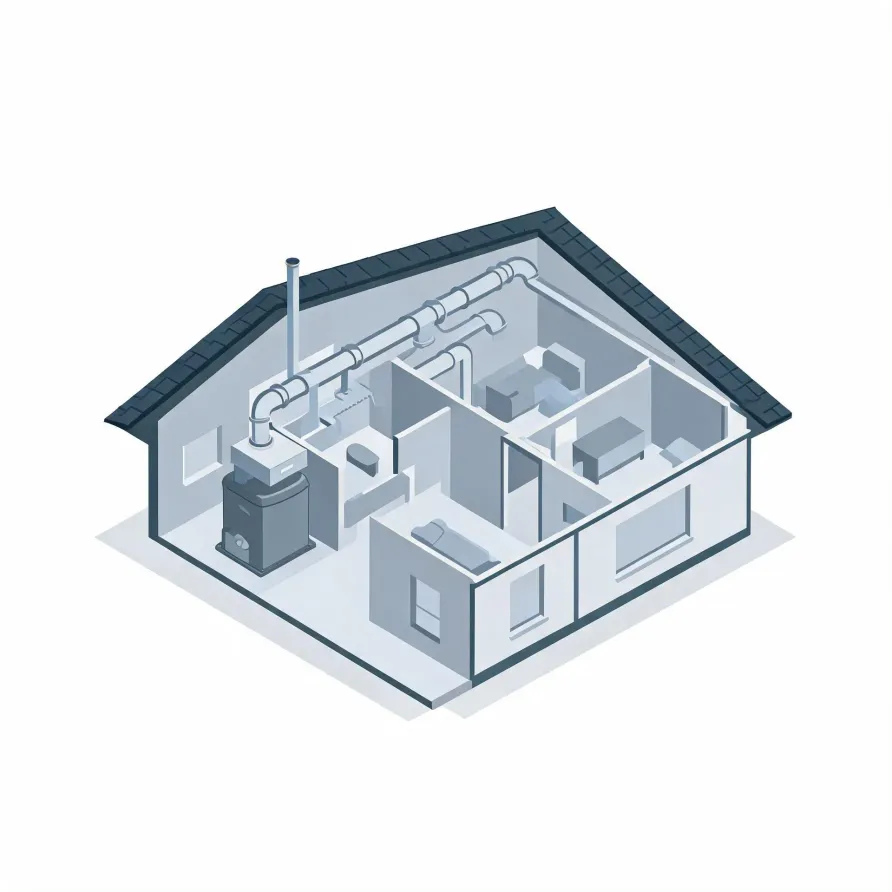
The furnace cabinet sits in a utility room, basement, or closet and is the heart of the system. Inside it, the heat exchanger is what a contractor looks at closely during a repair call. Cracks or failures there affect both warmth and air quality, making it one of the first suspects when something is wrong.
The blower motor and fan sit inside the cabinet and push conditioned air out through the supply vents. The burner assembly, the igniter, and the flame sensor each play a role in starting and sustaining a heat cycle, so when a furnace short-cycles, runs cold, or won't light, those are the components a contractor works through first.
The drawing shows a typical furnace layout, and a licensed contractor determines which components apply to the specific equipment and configuration in your home.
Find a contractor in Yukon-Koyukuk Census AreaYukon-Koyukuk Census Area by the Numbers
20 severe weather events were recorded in Yukon-Koyukuk Census Area, Alaska between 2015 and 2024.
NOAA National Centers for Environmental Information, Storm Events Database, bulk CSV export, events 2015-01-01 through 2024-12-31.Half the homes in Yukon-Koyukuk Census Area, Alaska were built in 1984 or earlier (2020-2024 ACS 5-year).
U.S. Census Bureau, 2020-2024 American Community Survey 5-Year EstimatesYukon-Koyukuk Census Area, Alaska holds 3,724 housing units (2020-2024 ACS 5-year).
U.S. Census Bureau, 2020-2024 American Community Survey 5-Year EstimatesOwners occupy 69.9% of the occupied homes in Yukon-Koyukuk Census Area, Alaska (2020-2024 ACS 5-year).
U.S. Census Bureau, 2020-2024 American Community Survey 5-Year EstimatesCodes & Standards Covering Furnace Repair in Yukon-Koyukuk Census Area, Alaska5 sourced rules and standards
What HVAC Repair Looks Like Out Here
Non-weatherized gas furnaces manufactured on or after November 19, 2015 must reach 80.0 percent AFUE.
Non-weatherized oil-fired furnaces manufactured on or after November 19, 2015 must reach 83.0 percent AFUE.
Mobile home gas furnaces manufactured on or after November 19, 2015 must reach 80.0 percent AFUE.
Non-weatherized gas furnaces manufactured on or after December 18, 2028 must reach 95.0 percent AFUE, up from the 80.0 percent minimum that applies to units manufactured before that date.
Licensing Rules for HVAC Repair in Yukon-Koyukuk Census Area, Alaska
Alaska requires a certificate of registration as a contractor: a person may not submit a bid or work as a contractor until the department has issued one.